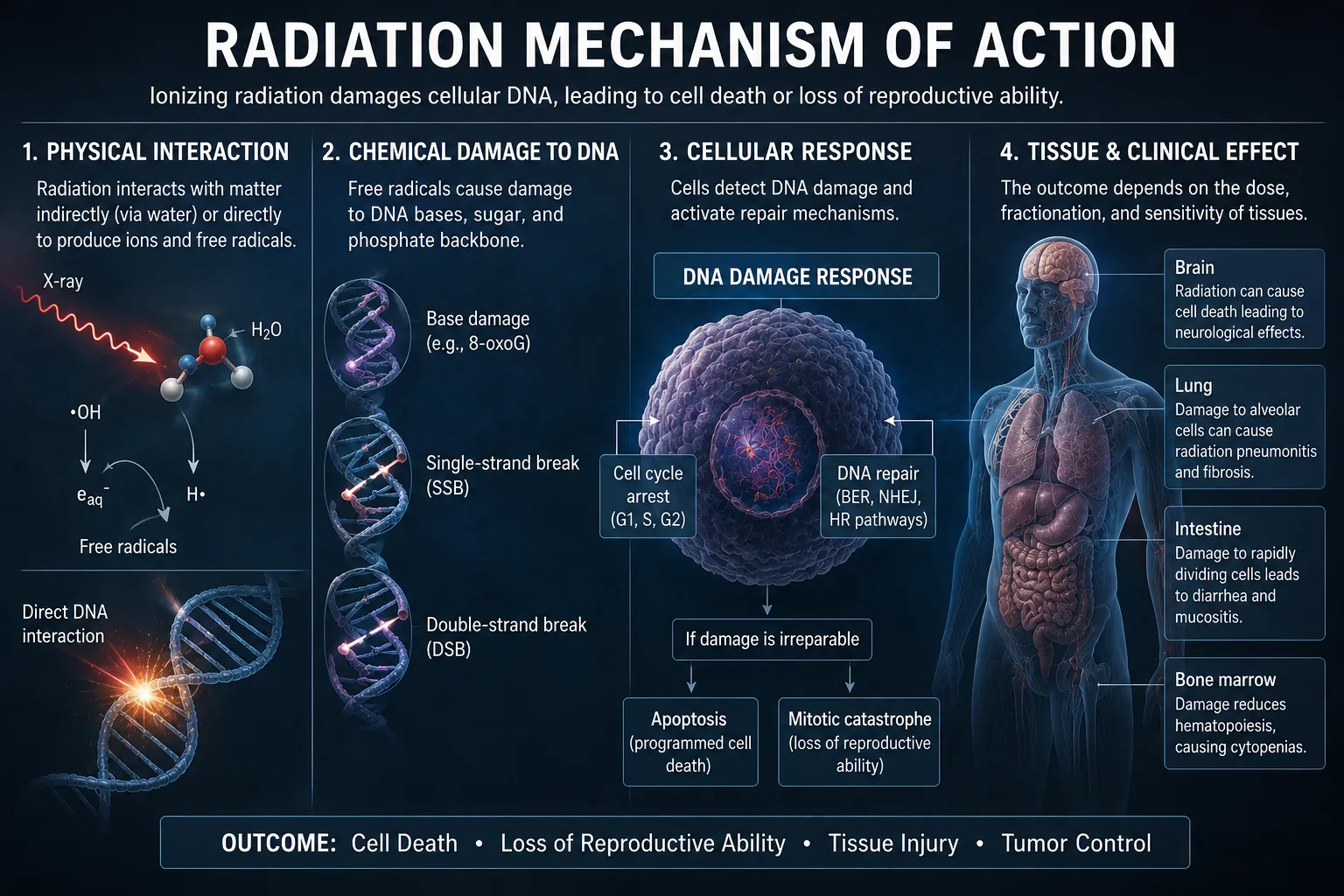
Radiotherapy uses high doses of ionizing radiation to damage cancer cell DNA, preventing them from dividing. It treats ~50% of all cancer patients at some point in their care — either with curative or palliative intent.
Understanding why we use fractionated (divided) doses over multiple days requires understanding how radiation affects cells — both tumor cells and normal tissue. The four R's form the foundation of clinical radiotherapy:
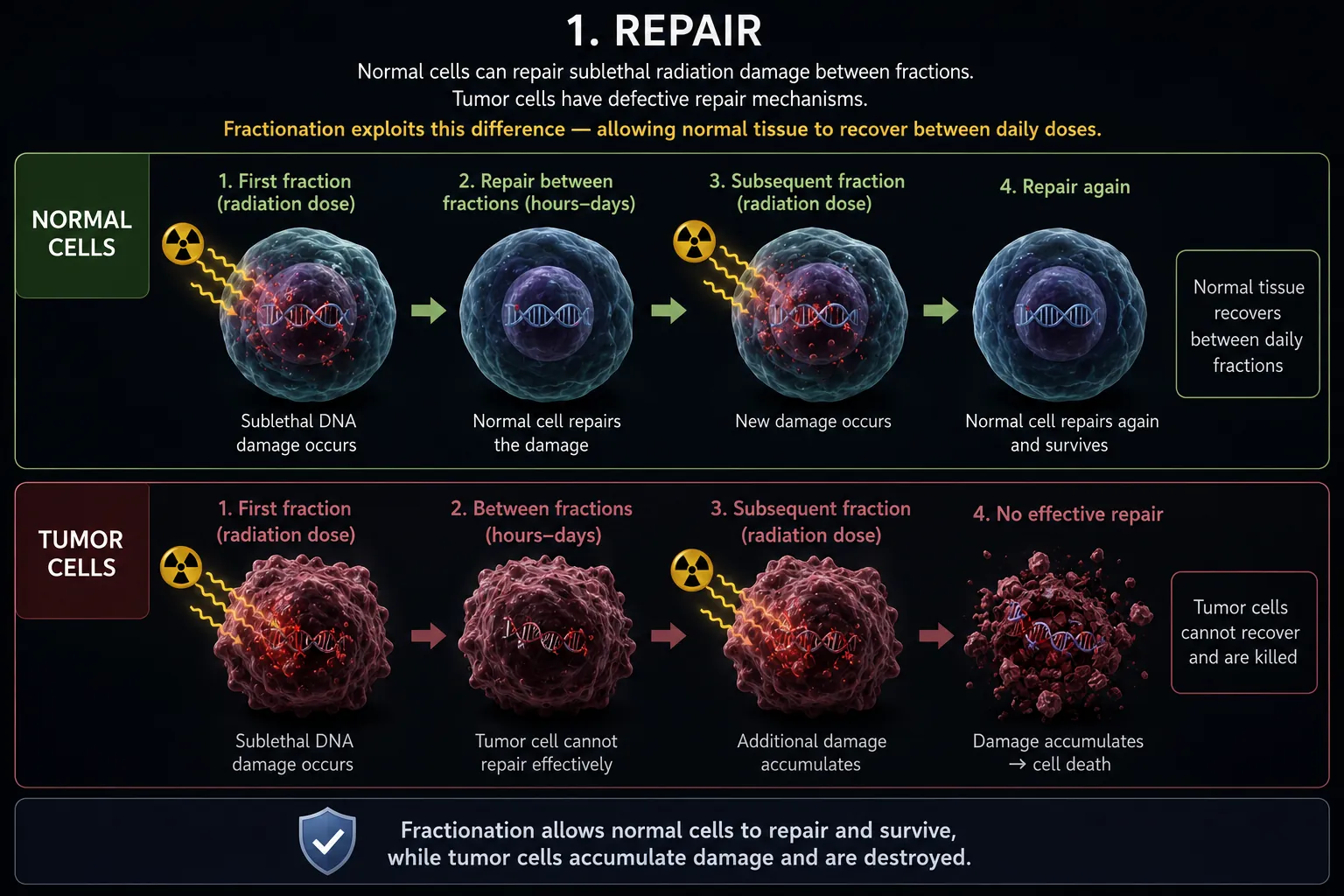
Normal cells can repair sublethal radiation damage between fractions. Tumor cells have defective repair mechanisms. Fractionation exploits this difference — allowing normal tissue to recover between daily doses.
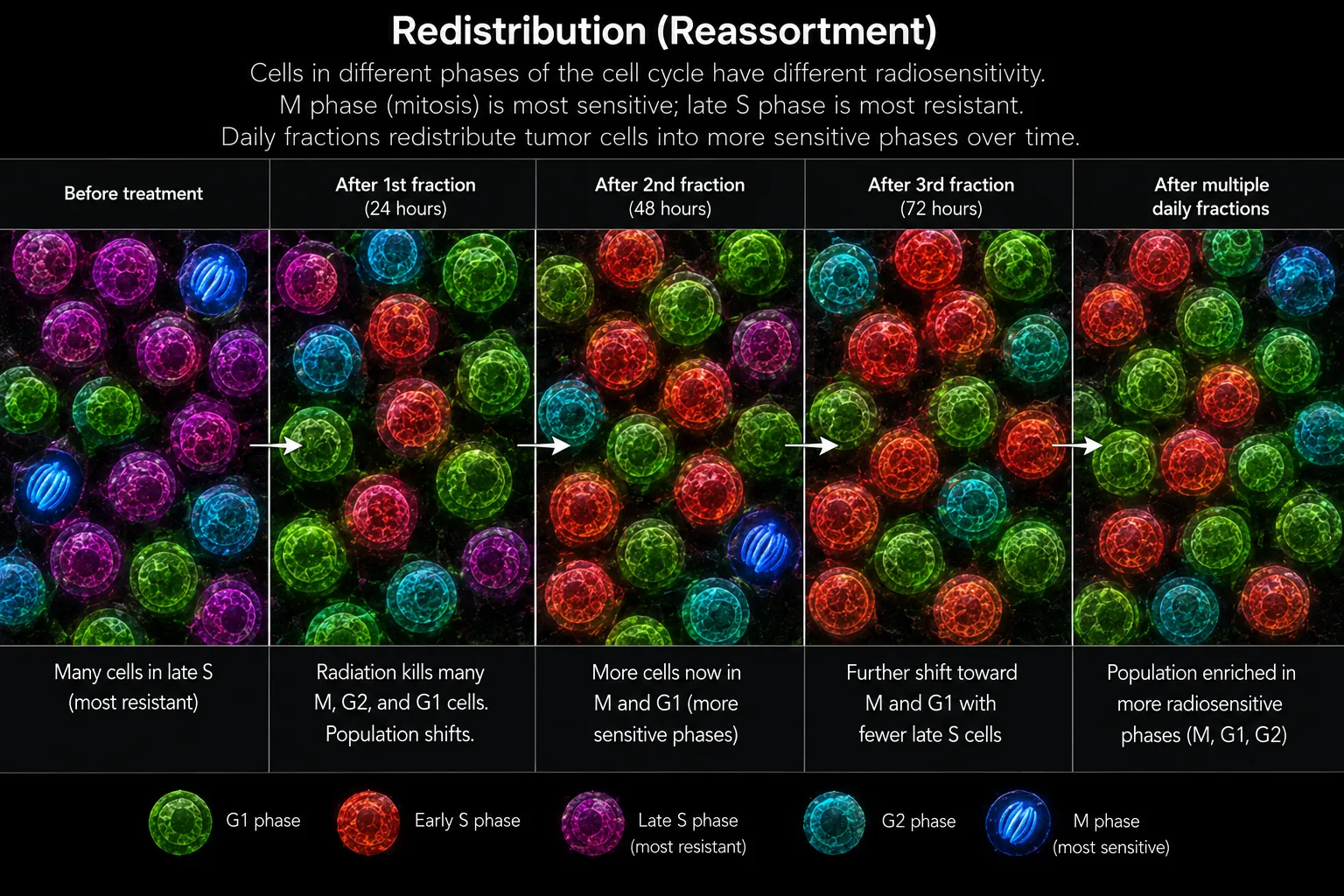
Cells in different phases of the cell cycle have different radiosensitivity. M phase (mitosis) is most sensitive; late S phase is most resistant. Daily fractions redistribute tumor cells into more sensitive phases over time.
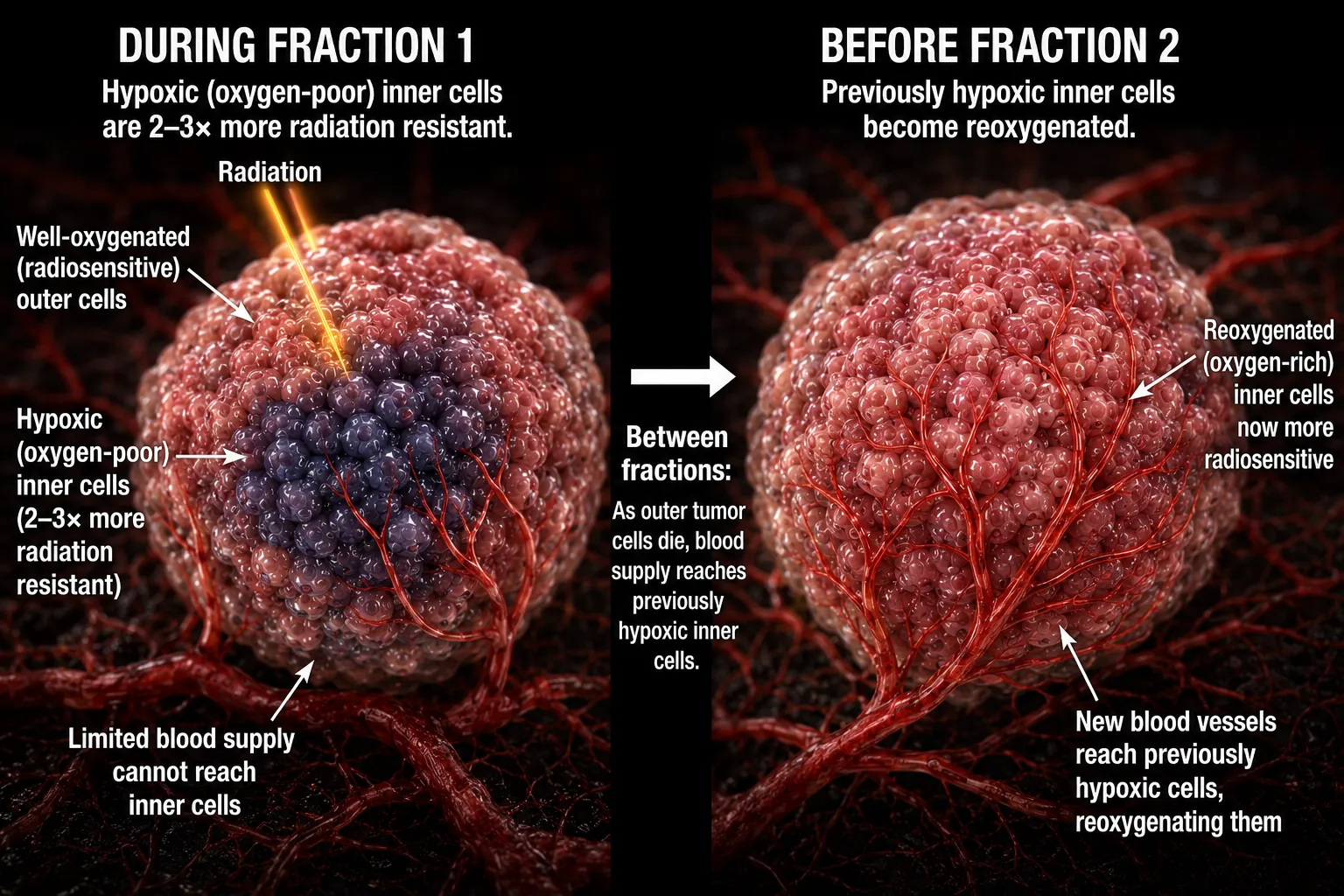
Hypoxic (oxygen-poor) cells are 2–3× more radiation resistant. Between fractions, as outer tumor cells die, blood supply reaches previously hypoxic inner cells — reoxygenating them and making them more radiosensitive.
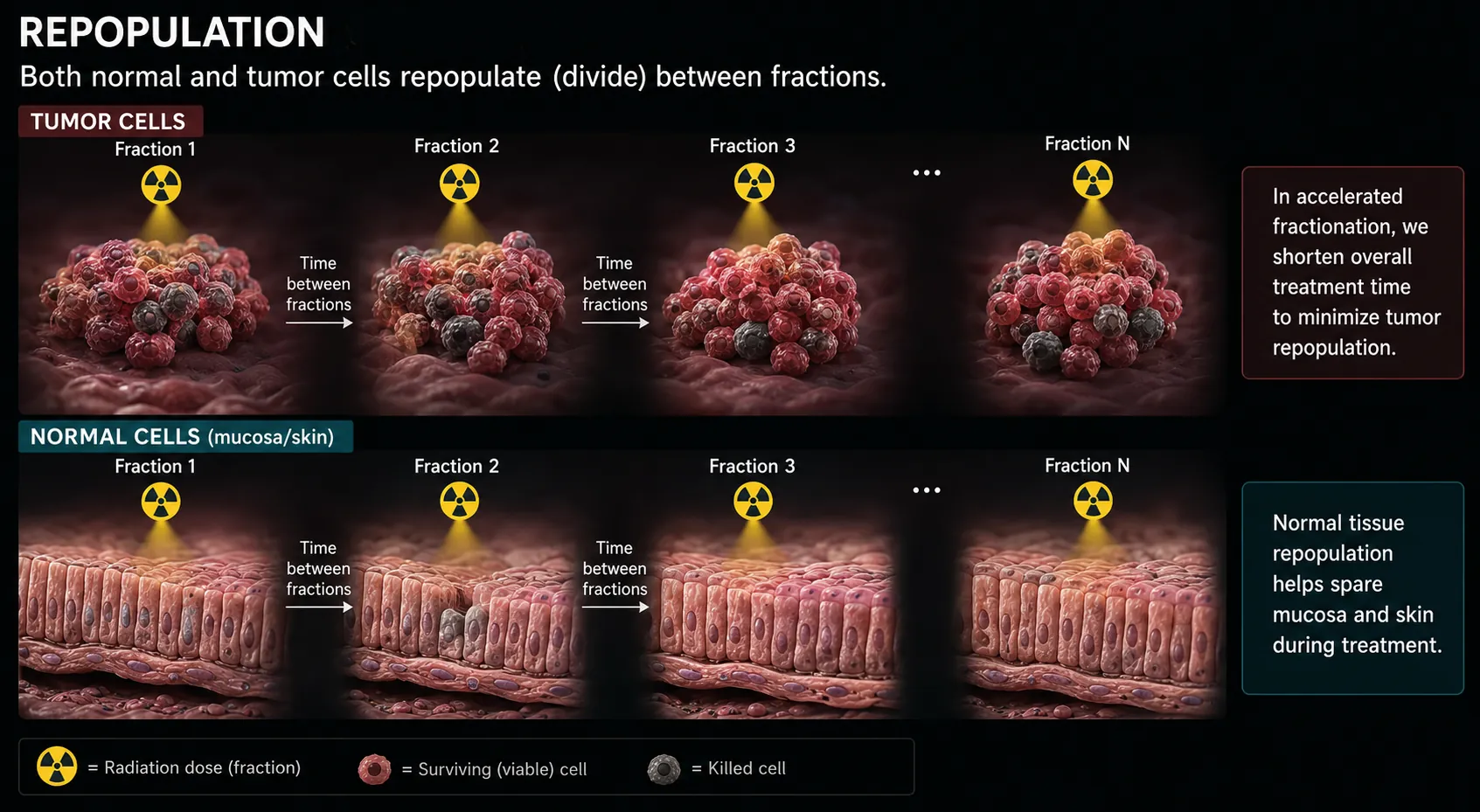
Both normal and tumor cells repopulate (divide) between fractions. In accelerated fractionation, we shorten overall treatment time to minimize tumor repopulation. Normal tissue repopulation helps spare mucosa and skin during treatment.
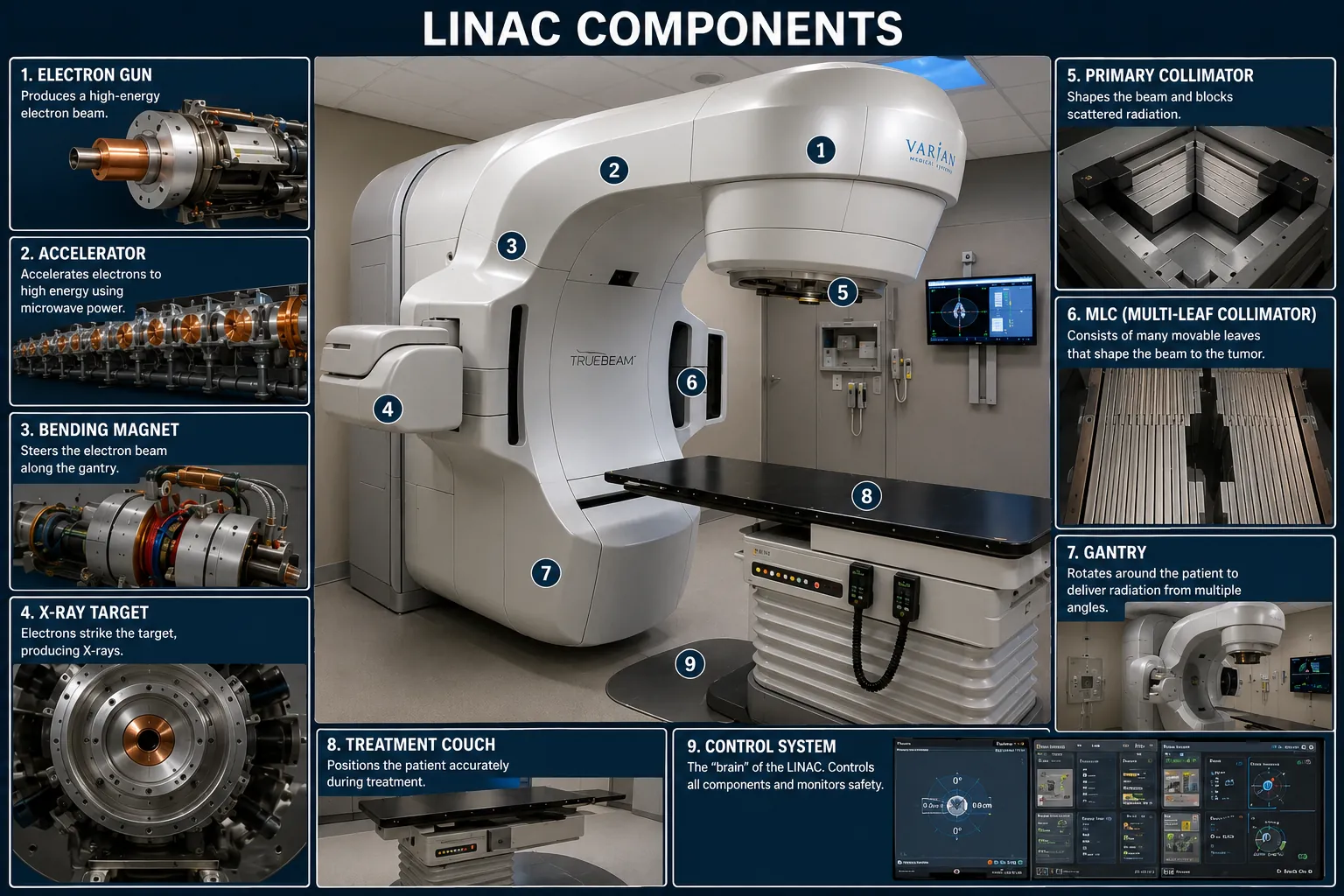
Click components to learn their function. The gantry rotates continuously to deliver beams from multiple angles.
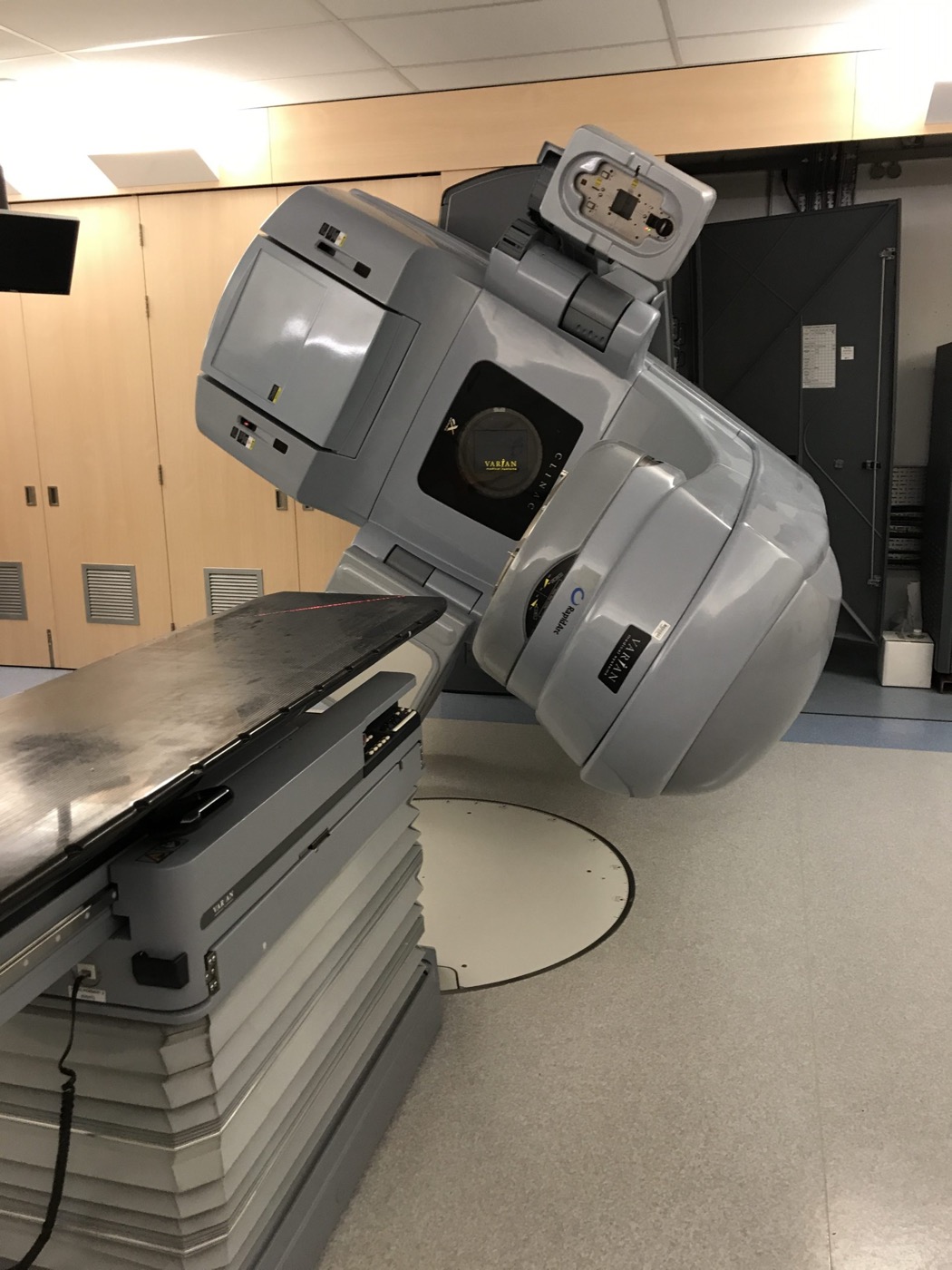
The linear accelerator (LINAC) is the standard machine for external beam radiotherapy. Click components in the diagram to learn about each part.
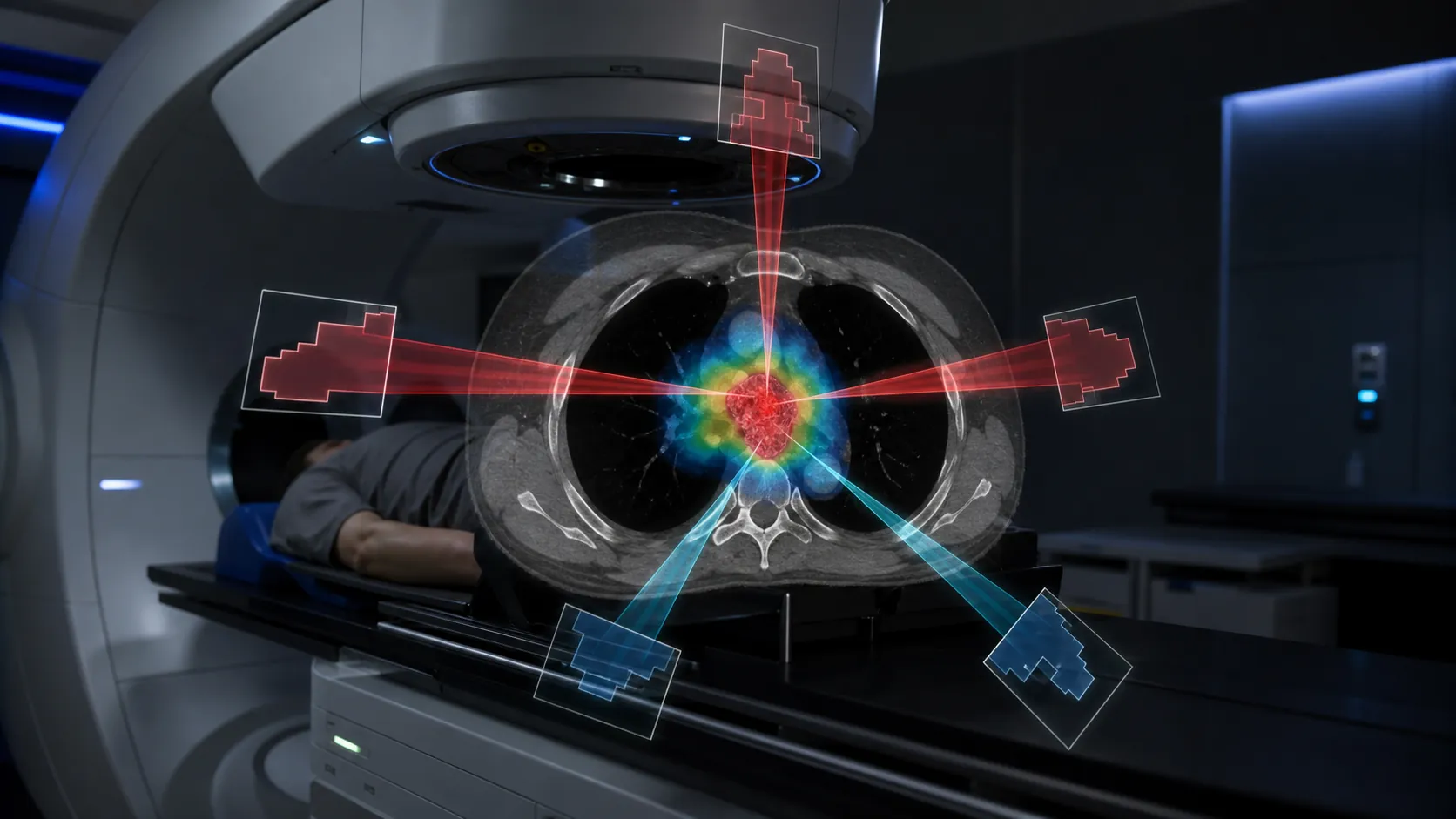
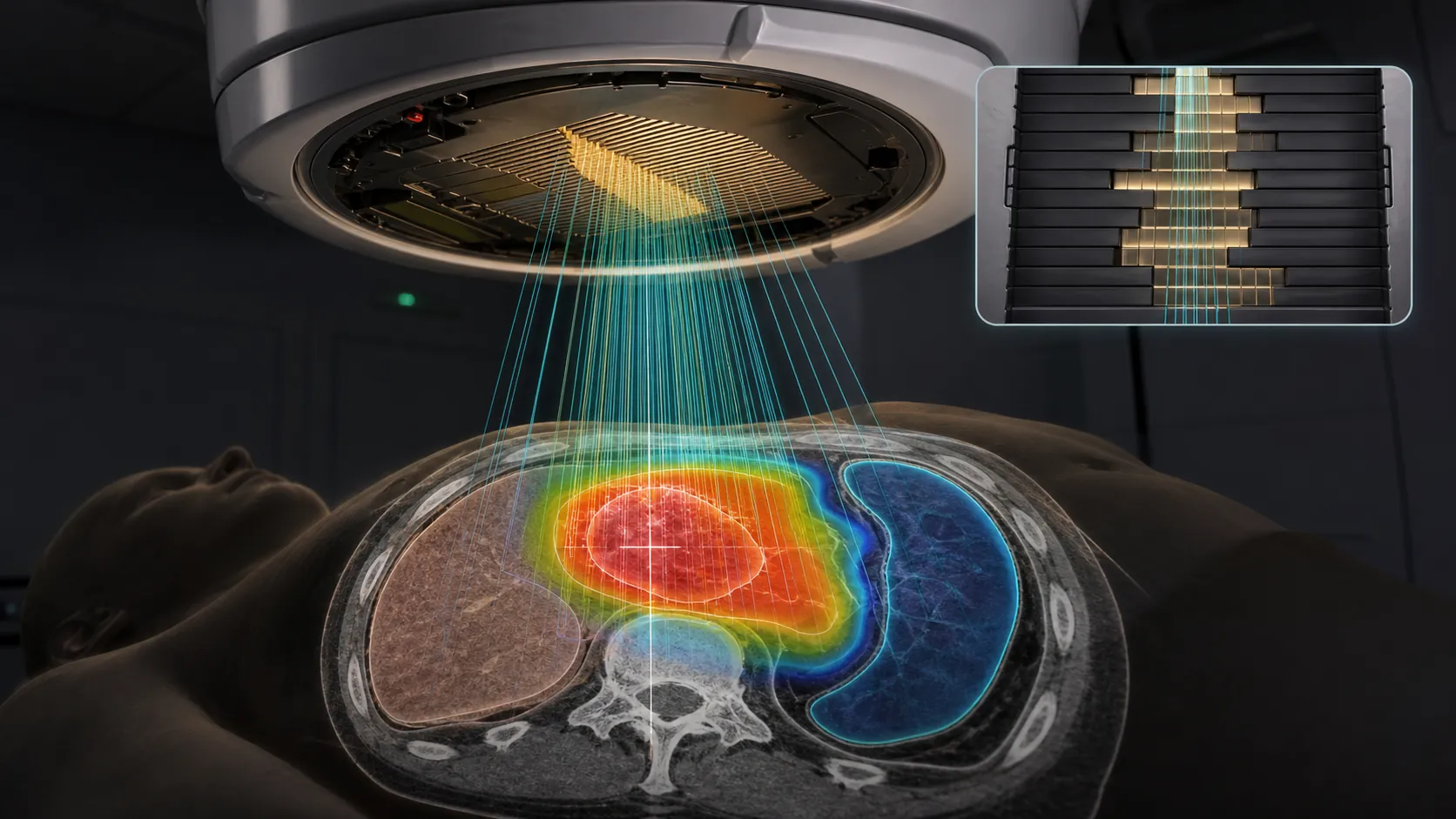
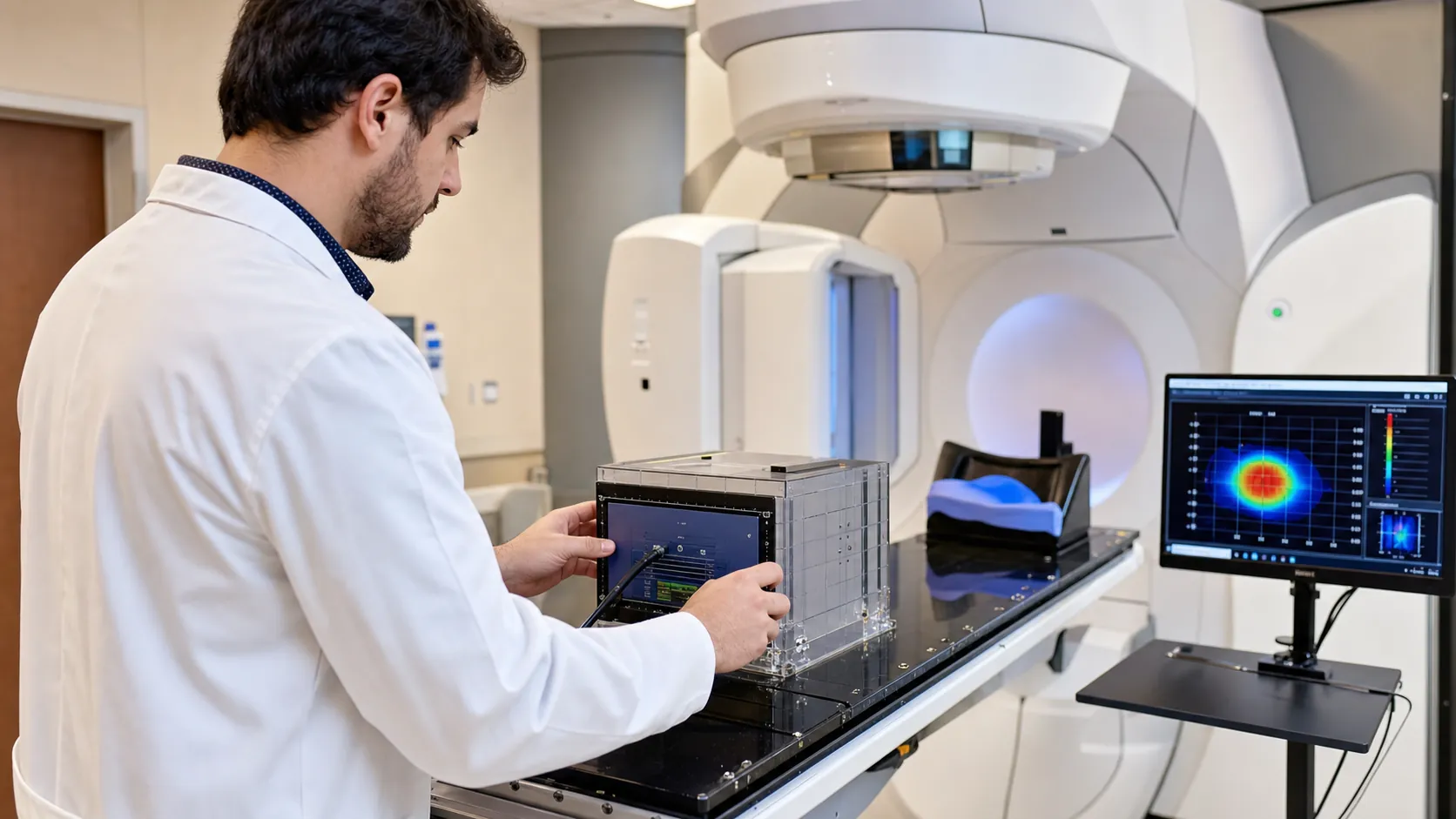
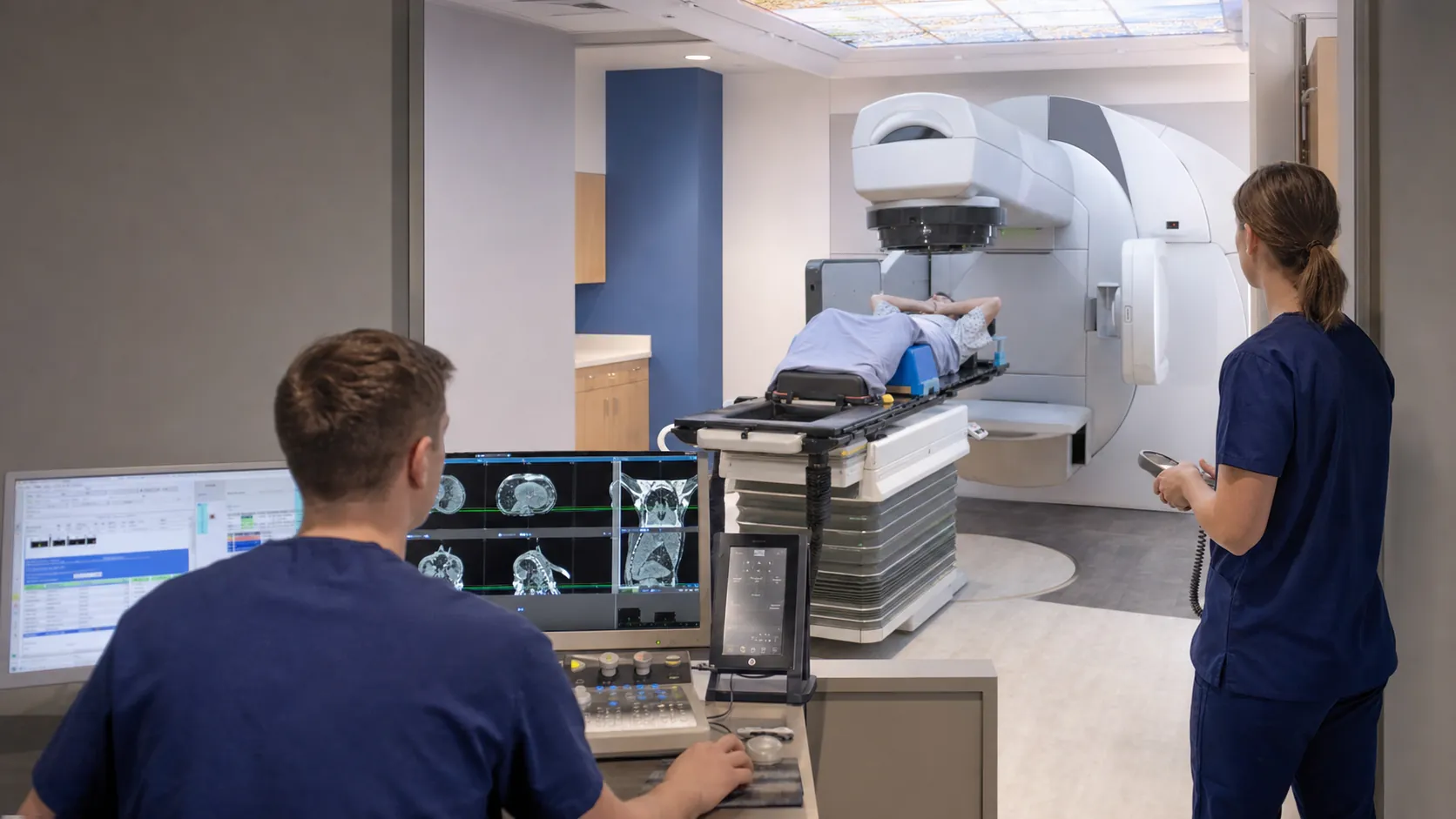
A modern LINAC delivers high-energy X-rays (6–18 MV) or electrons (4–22 MeV) to the tumor from multiple gantry angles, with the tumor at the isocenter. Sophisticated shaping of the beam (MLC, IMRT, VMAT) maximizes dose to tumor while minimizing dose to surrounding normal tissue.
Radiotherapy has evolved from simple opposed beams to highly conformal, motion-adapted delivery — dramatically improving the therapeutic ratio.
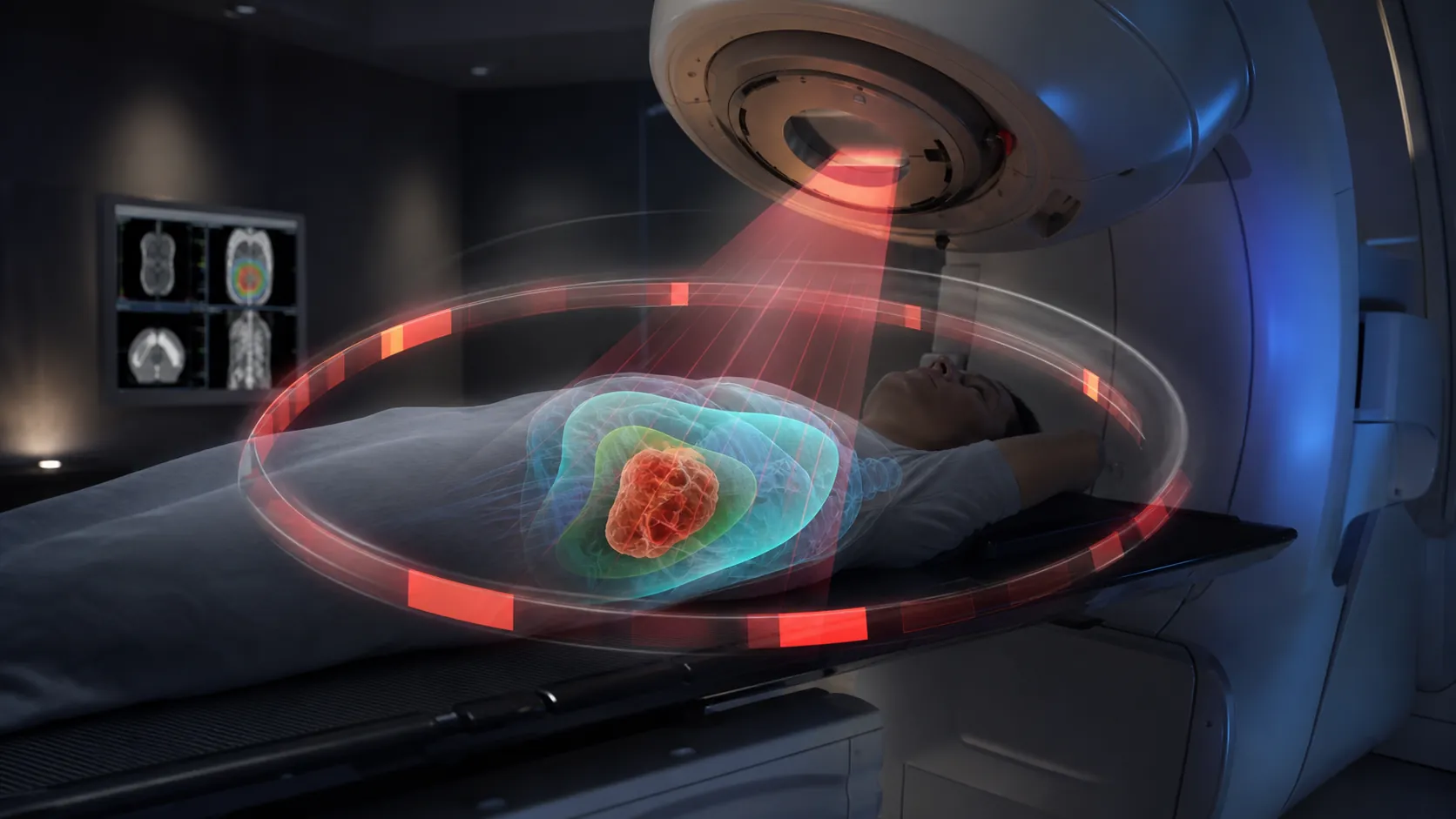
CT-based treatment planning with beams shaped by collimators/MLCs to conform to the 3D shape of the target. The modern baseline for external beam RT. Multiple fixed beam angles from 3D planning CT.
MLC leaves move during delivery, creating non-uniform (modulated) fluence within each beam. Allows "dose painting" — high dose to tumor, steep dose gradient to organs at risk. Step-and-shoot or sliding-window techniques.
Gantry rotates continuously while MLC positions, dose rate, and gantry speed all vary simultaneously. Highly conformal delivery in 1–3 arcs. Often faster than IMRT. RapidArc® (Varian) is a proprietary VMAT system.
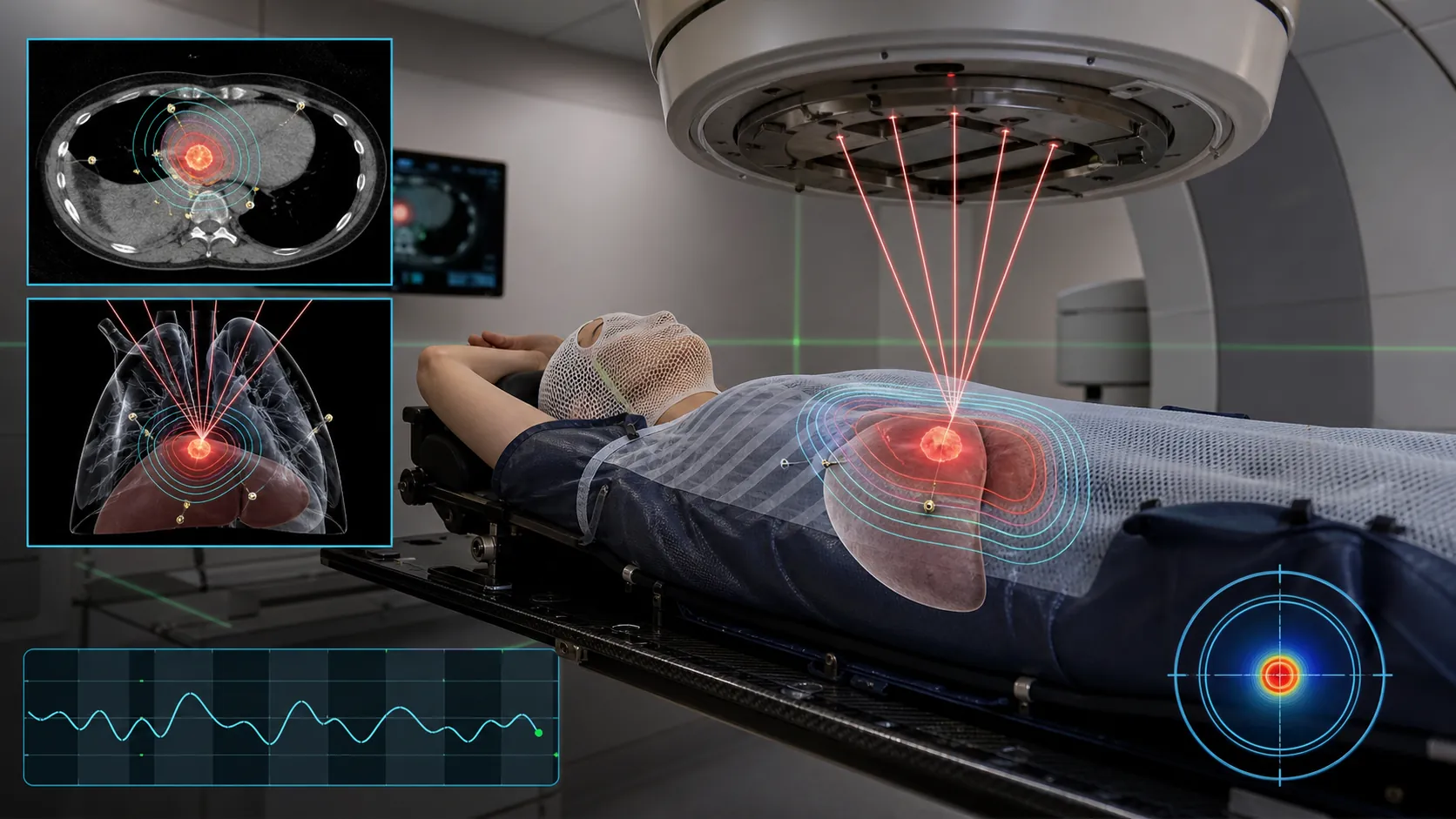
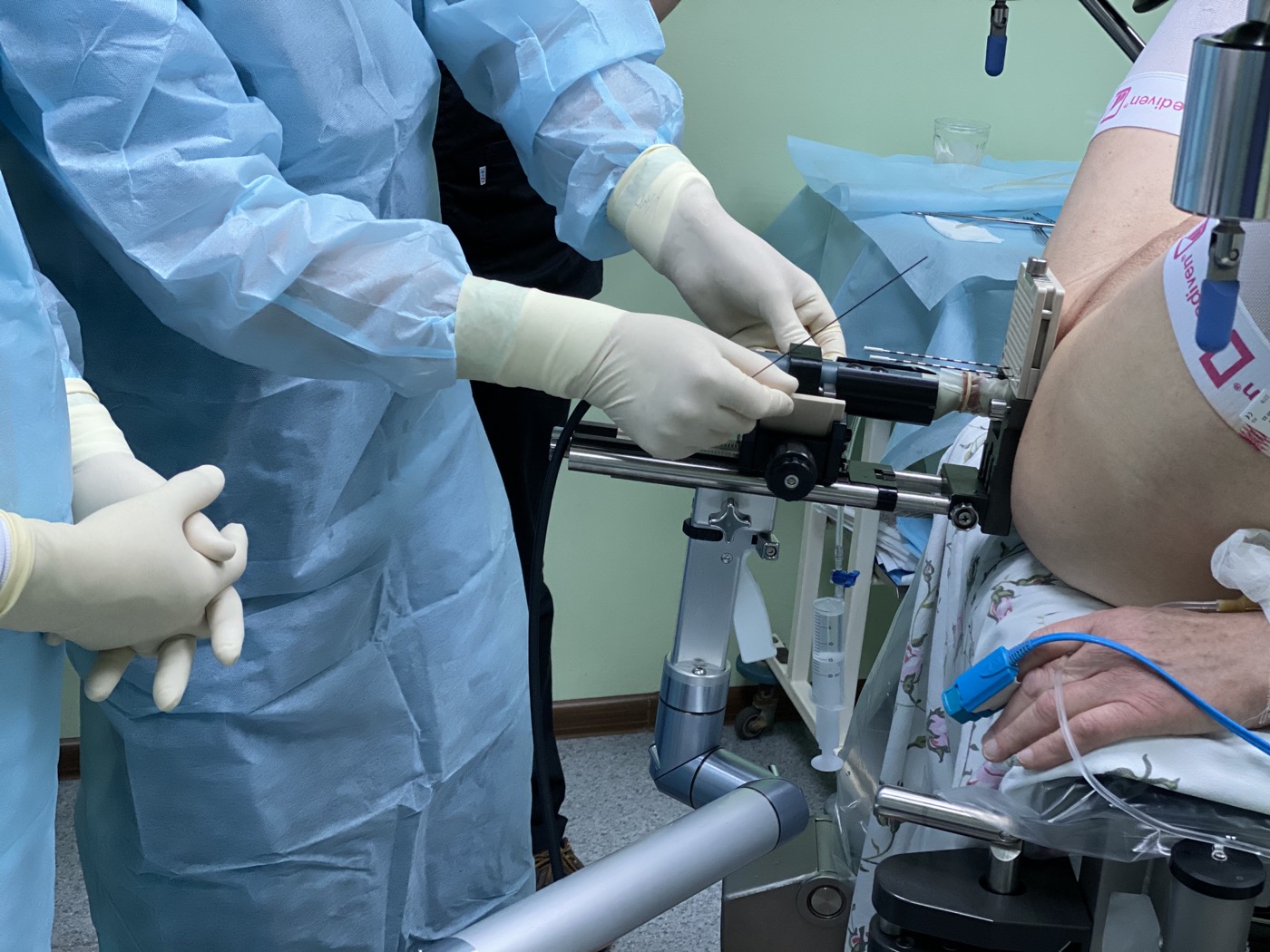
Very high dose per fraction (>5 Gy/fx) in 3–5 fractions. Precise targeting of small tumors (lung, liver, spine, prostate). Requires sub-millimeter accuracy and immobilization. Requires IGRT and motion management.
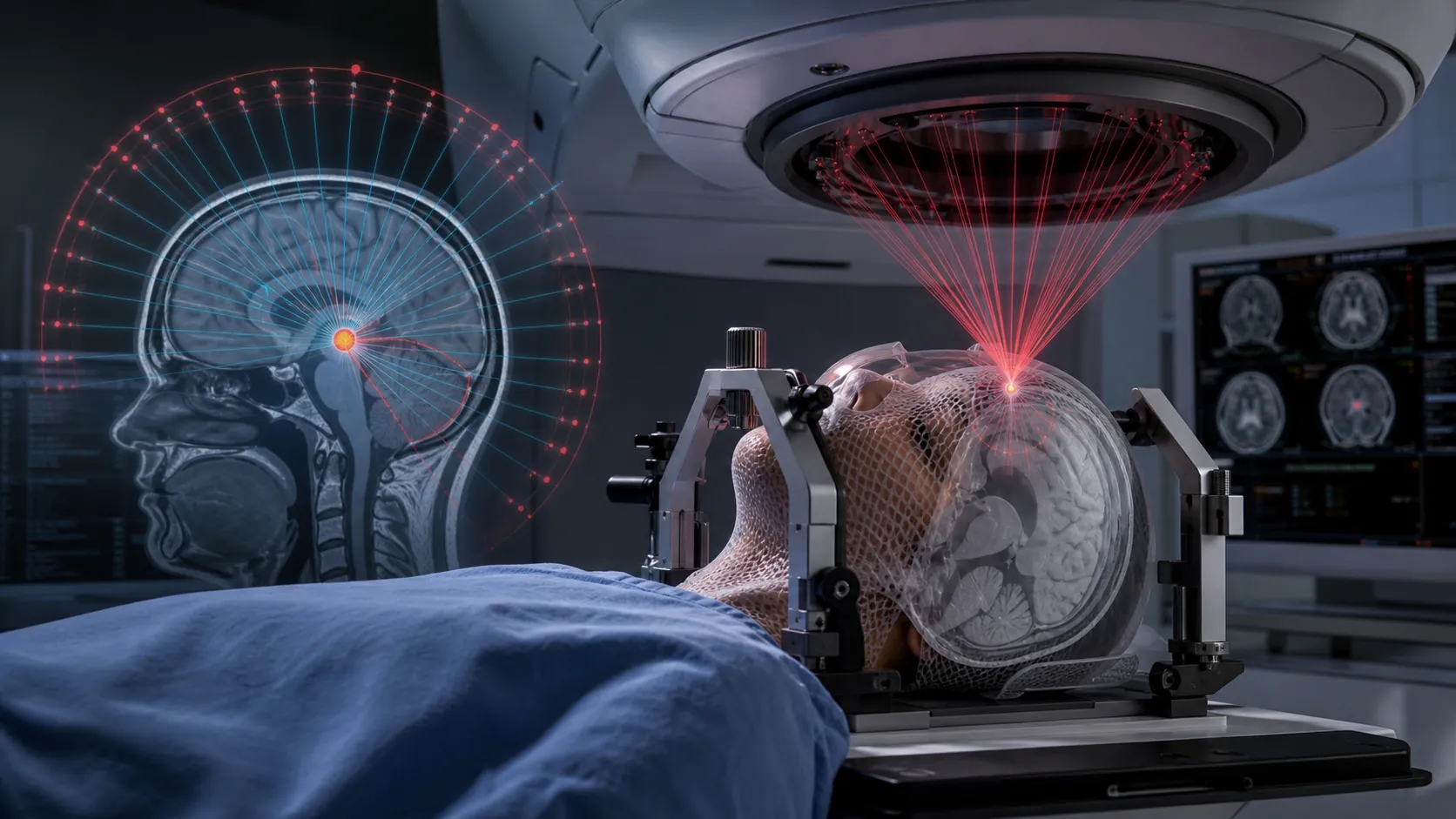
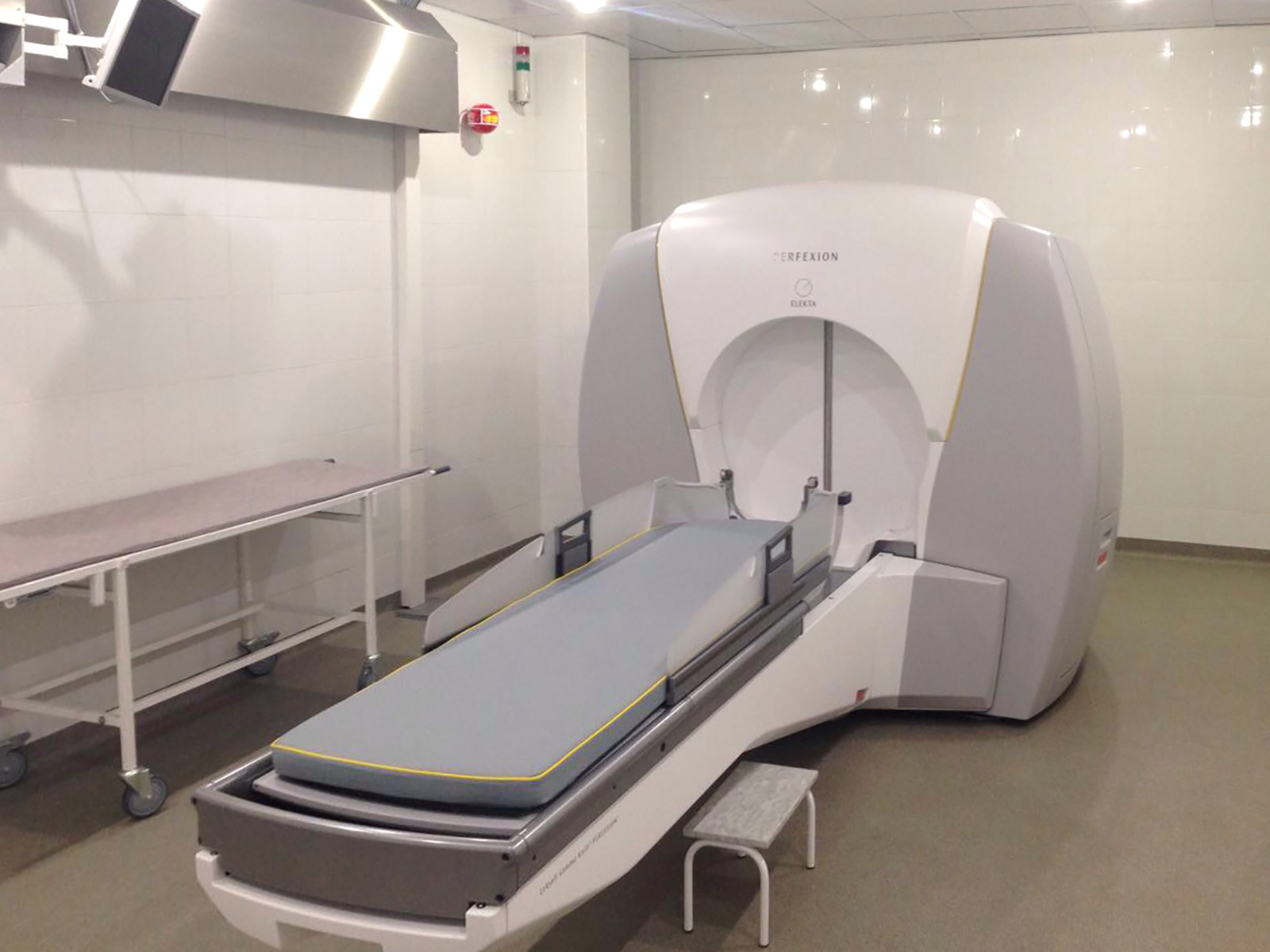
Single high-dose treatment (15–25 Gy) for intracranial targets. GammaKnife® uses ~200 Co-60 sources; Linac-based SRS uses multiple micro-arcs. Used for brain mets, AVM, acoustic neuroma, trigeminal neuralgia.
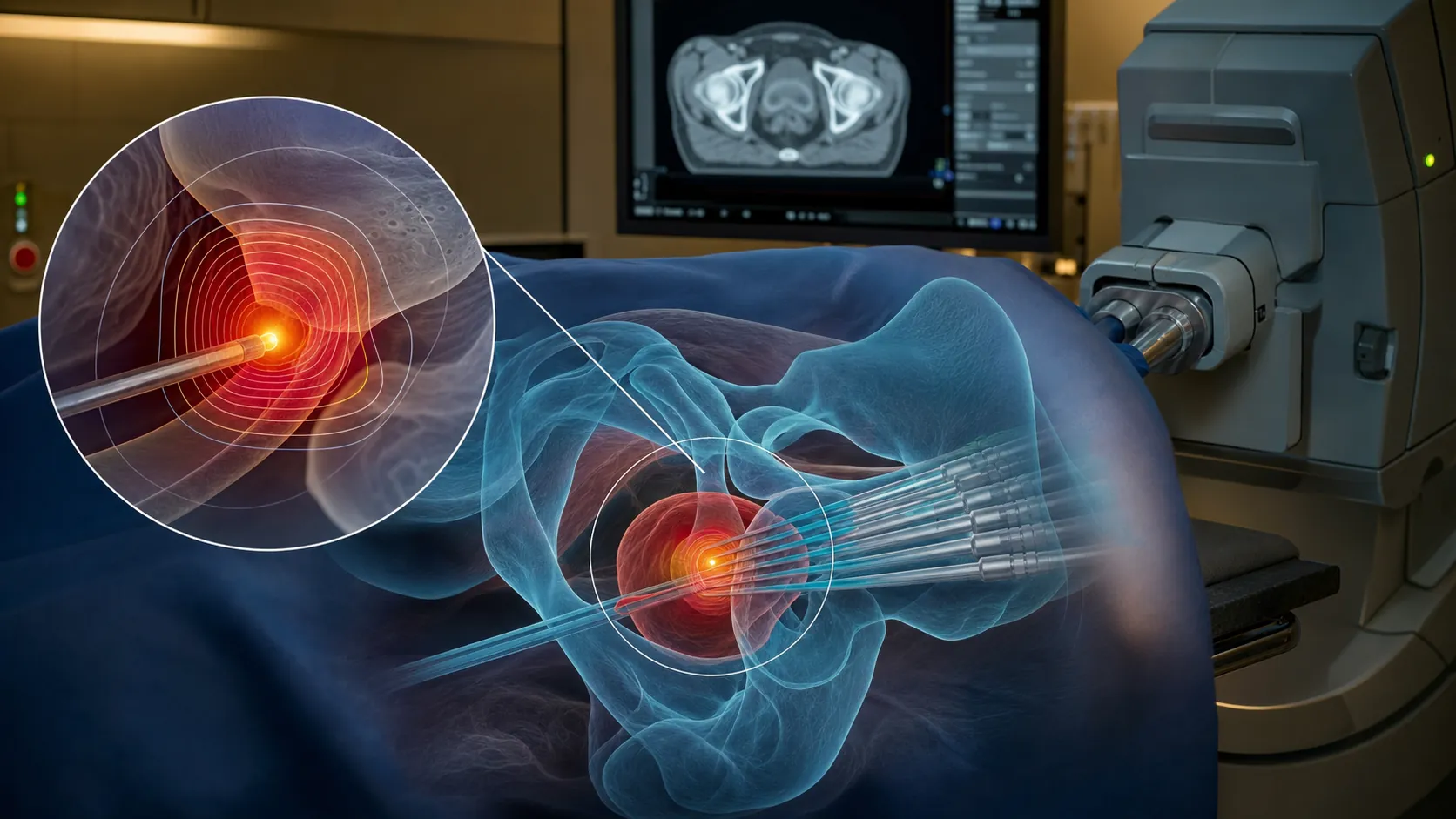
Radioactive sources placed inside or adjacent to tumor. HDR (high dose rate) — Ir-192 afterloader moves through catheters. LDR (low dose rate) — permanent seeds (I-125, Pd-103) or temporary implants. Used in prostate, cervix, breast, skin cancers.
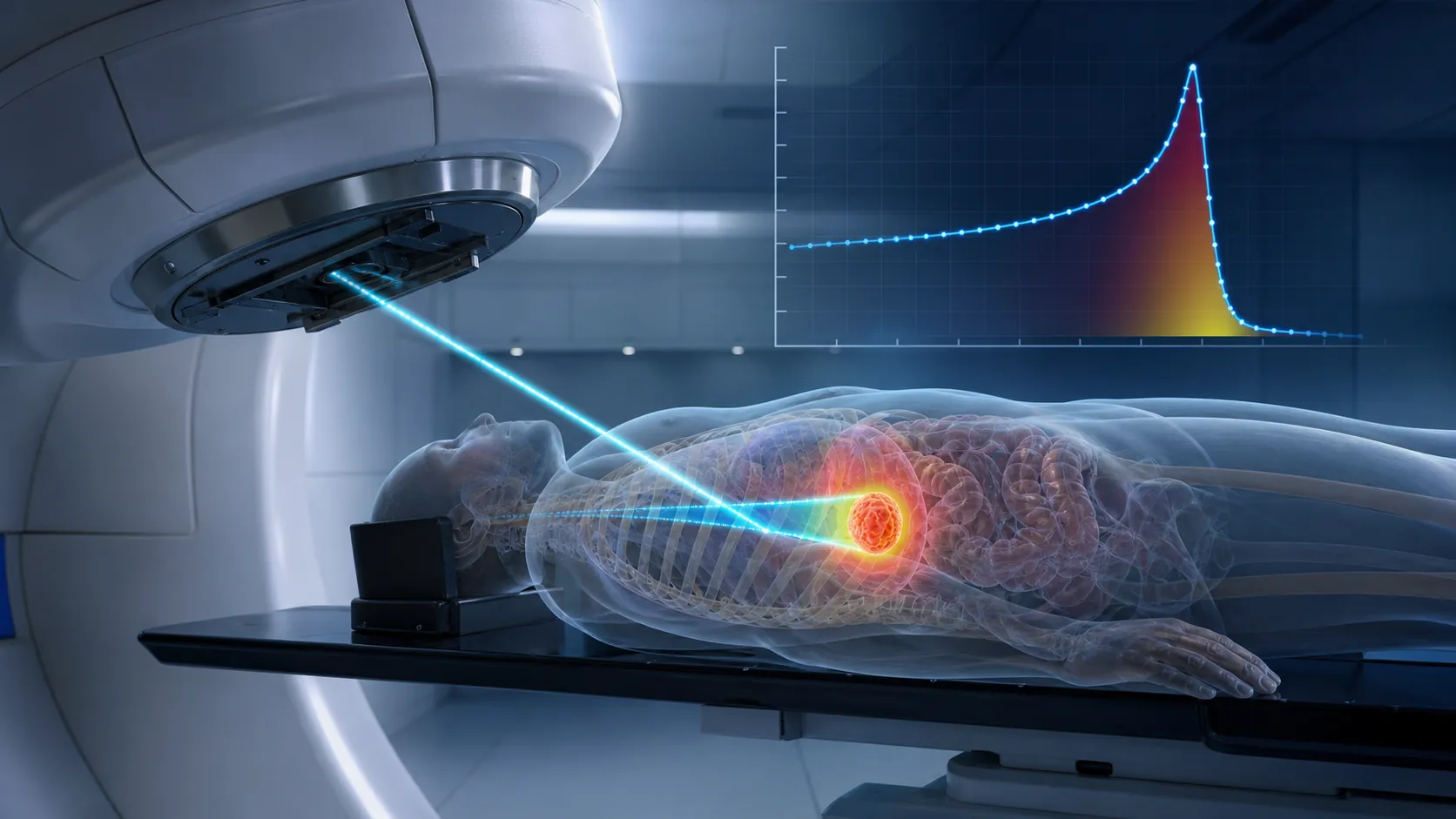
Protons deposit most energy at the Bragg peak — abrupt stop at calculated depth with minimal exit dose. Ideal for pediatric tumors and structures adjacent to critical organs. Requires large cyclotron/synchrotron facility.
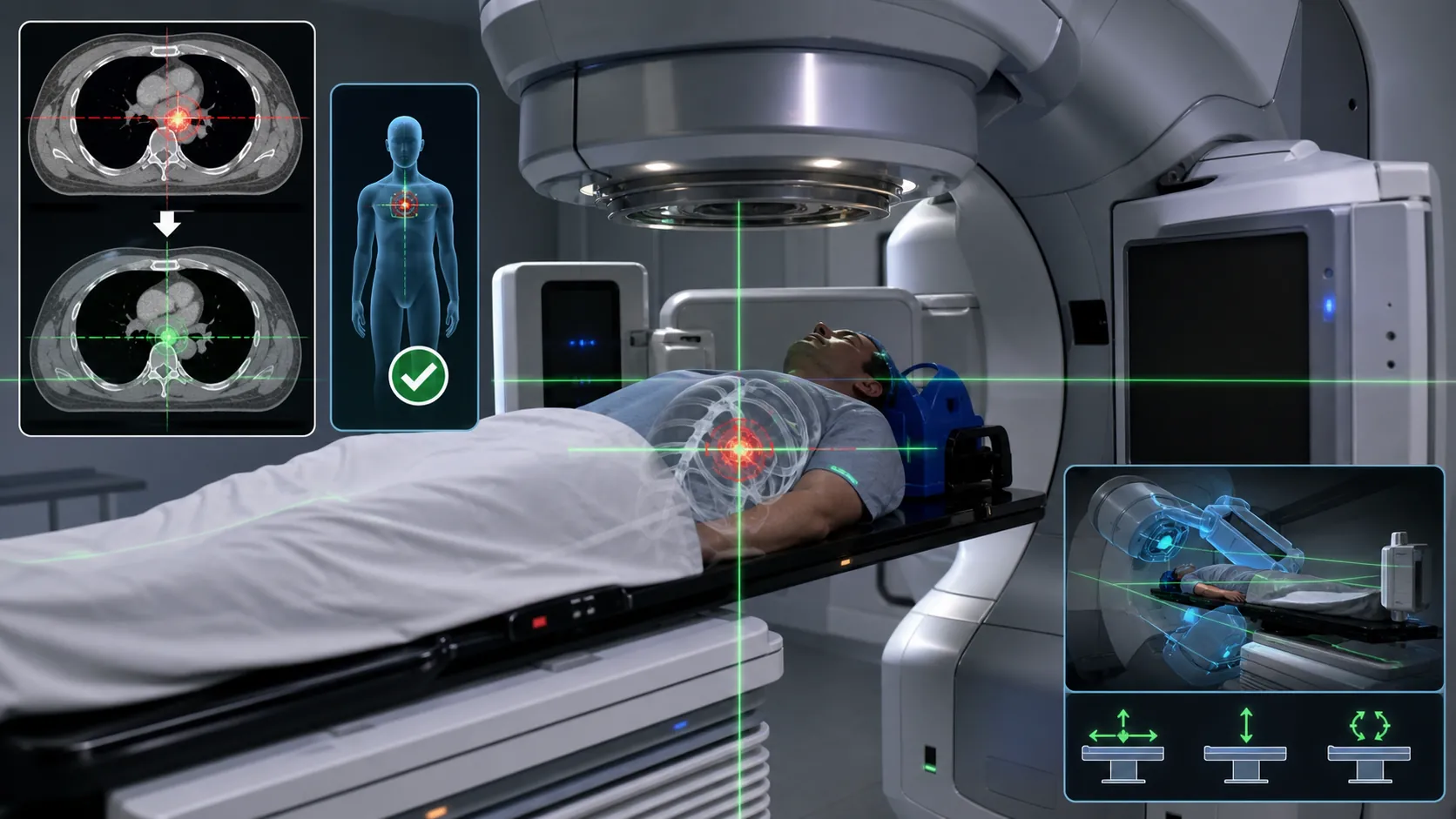
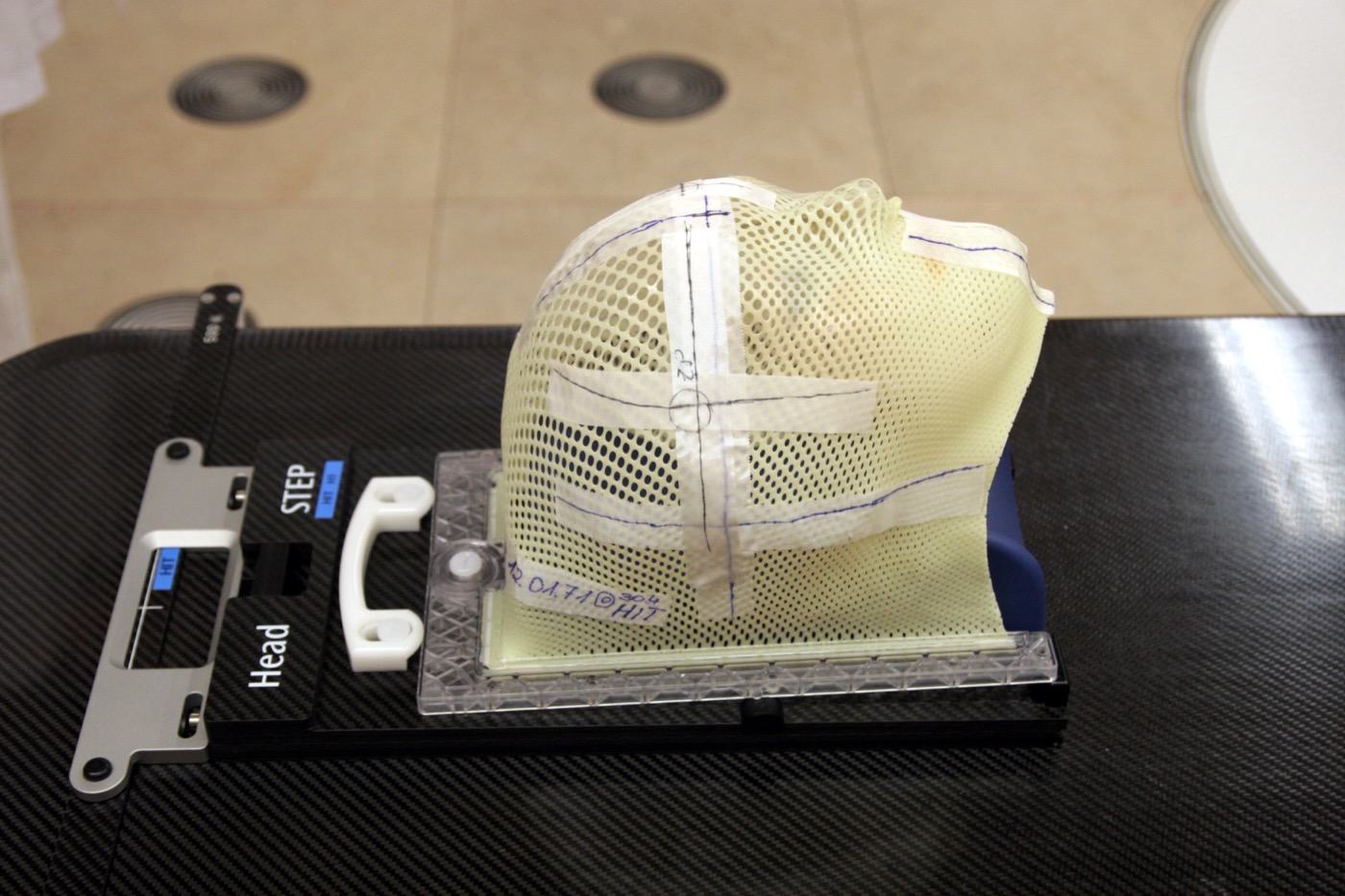
Daily imaging (kV, CBCT, ExacTrac, MRI-LINAC) to verify patient positioning and target location before each fraction. Accounts for inter-fraction variation in organ position, tumor shrinkage, and weight loss.
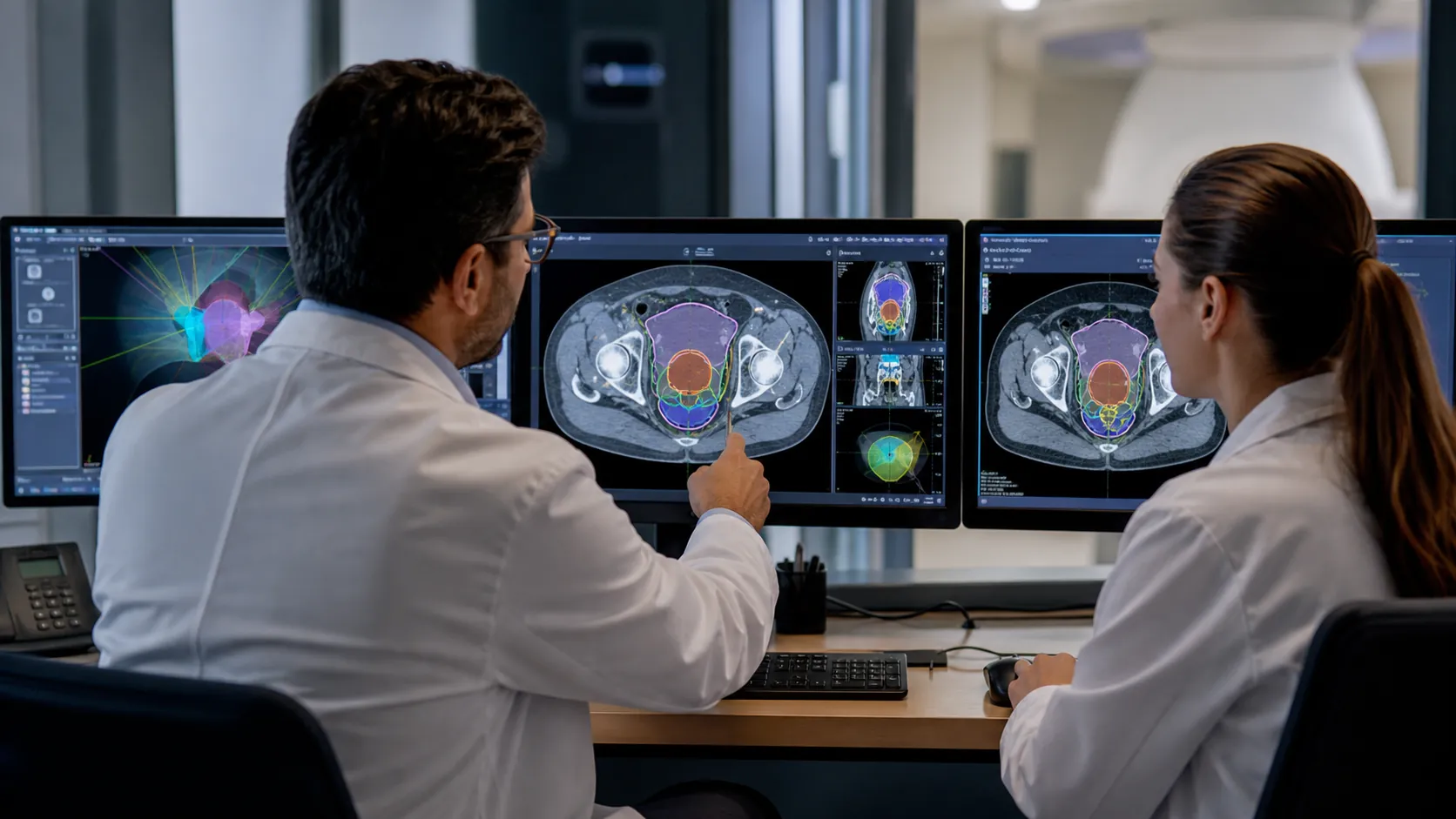
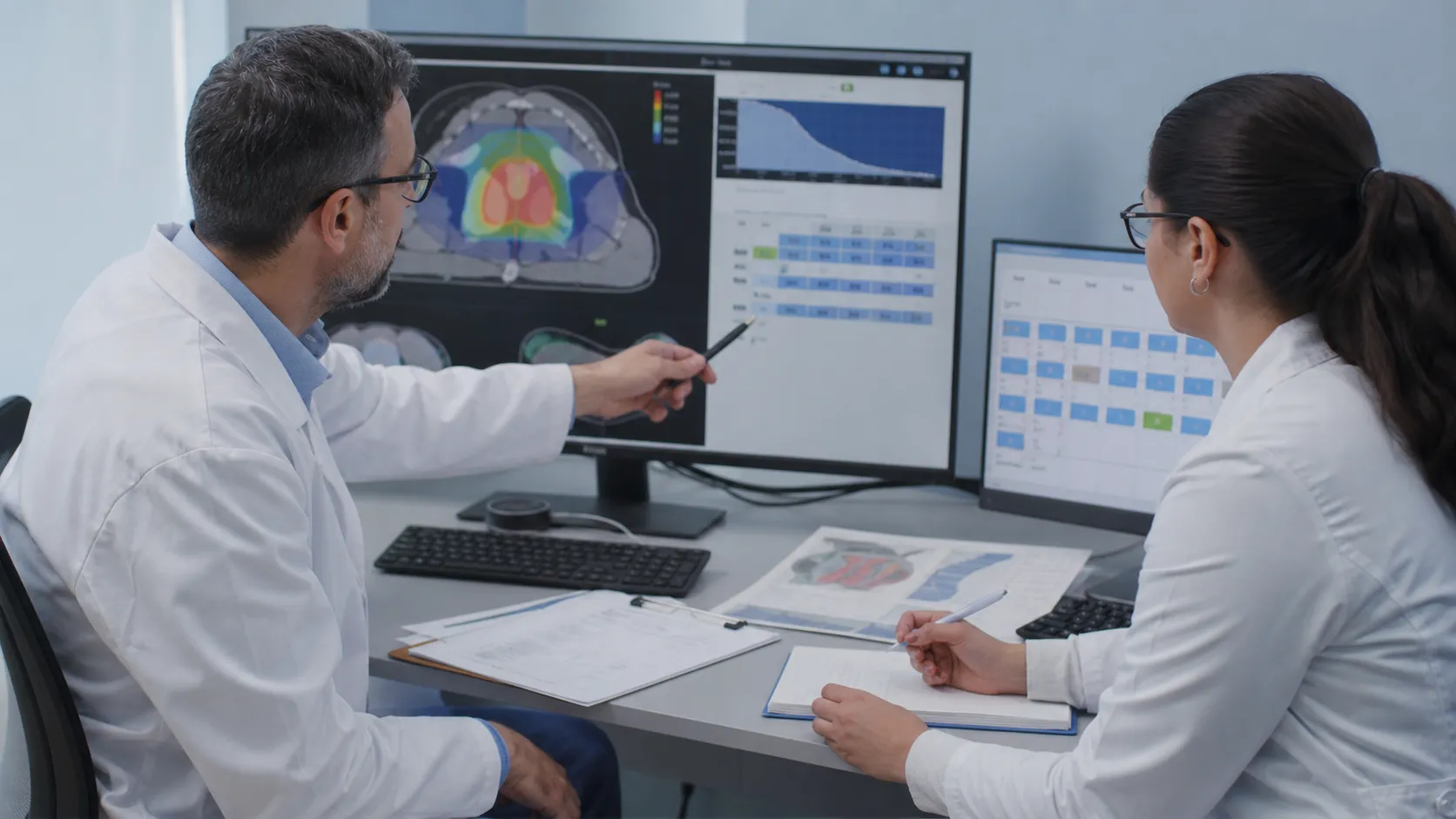
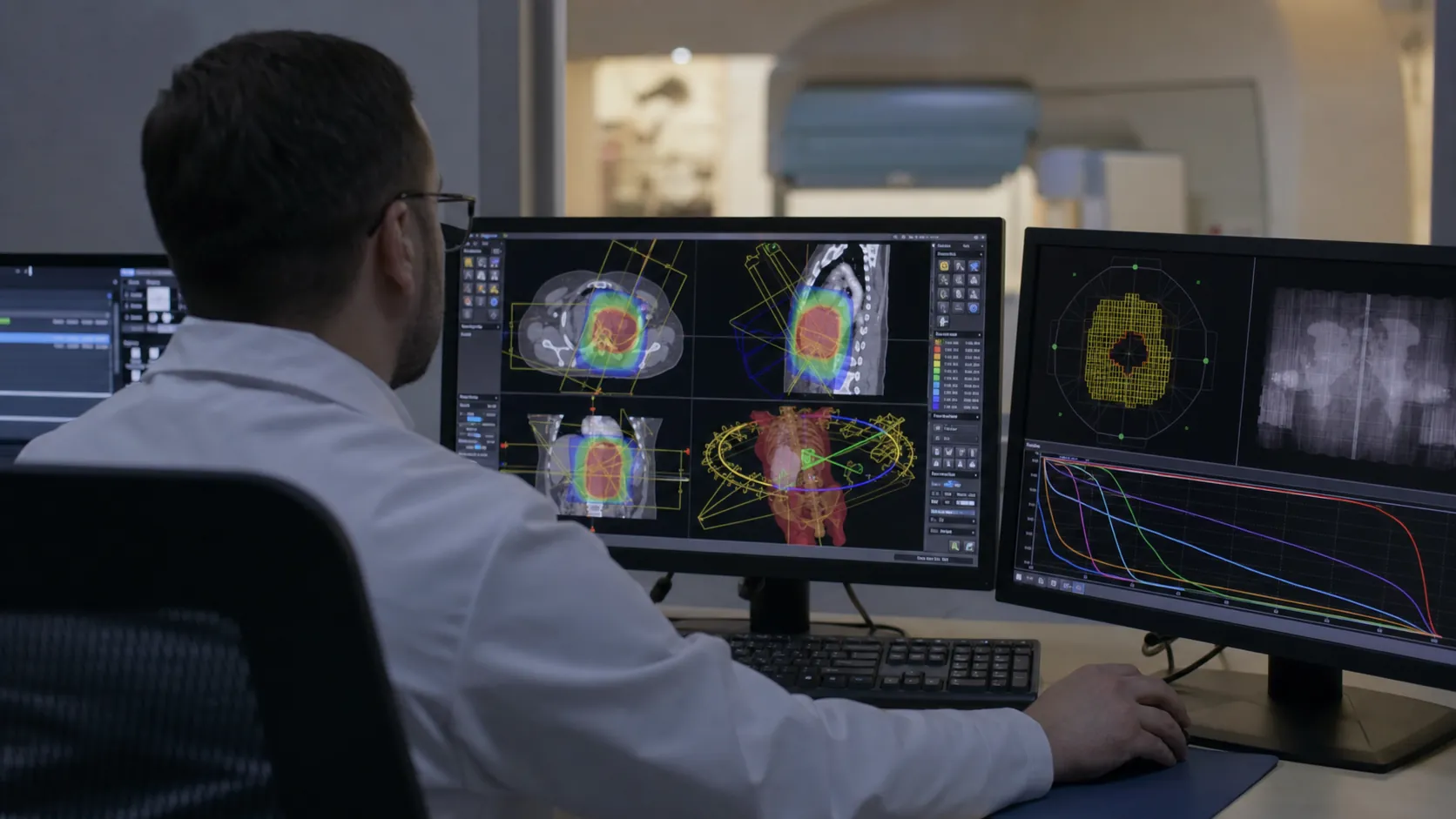
Radiotherapy requires meticulous planning to ensure the right dose is delivered to the right place, every fraction.
Radiotherapy is used in all major cancer types, either as primary treatment or combined with surgery and chemotherapy.
Whole-brain RT, focal boost post-surgery, SRS for brain mets. Concurrent temozolomide + RT for GBM (Stupp protocol). Craniospinal irradiation for medulloblastoma.
Curative SBRT for early-stage inoperable lung cancer. Concurrent chemoradiotherapy for locally advanced NSCLC. Mesothelioma palliative RT. Prophylactic cranial irradiation in SCLC.
Post-lumpectomy whole-breast RT (WBI) or partial-breast irradiation (APBI). Post-mastectomy RT (PMRT) for high-risk disease. Modern hypofractionation: 40 Gy/15 fractions replaces 50 Gy/25 fractions.
Prostate: definitive EBRT or brachytherapy. Cervix: concurrent cisplatin + EBRT + brachytherapy (curative). Rectal: neoadjuvant CRT pre-surgery. Bladder: bladder-preservation trimodality therapy.
Nasopharyngeal, oropharyngeal, laryngeal cancers. IMRT for salivary gland sparing. Concurrent platinum-based chemoradiotherapy. Organ preservation for larynx cancer.
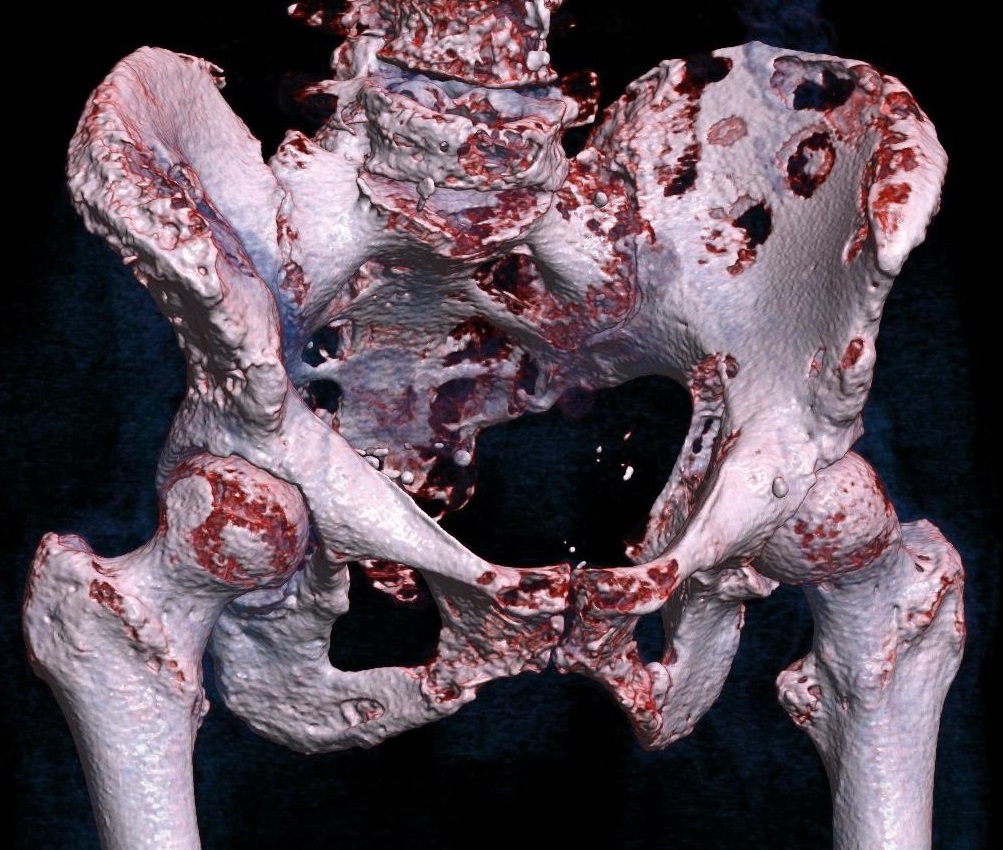
Bone metastases (8 Gy single fraction for pain relief). Brain metastases (WBRT or SRS). Spinal cord compression (urgent). Obstruction/bleeding palliation. SBRT for oligometastatic disease.
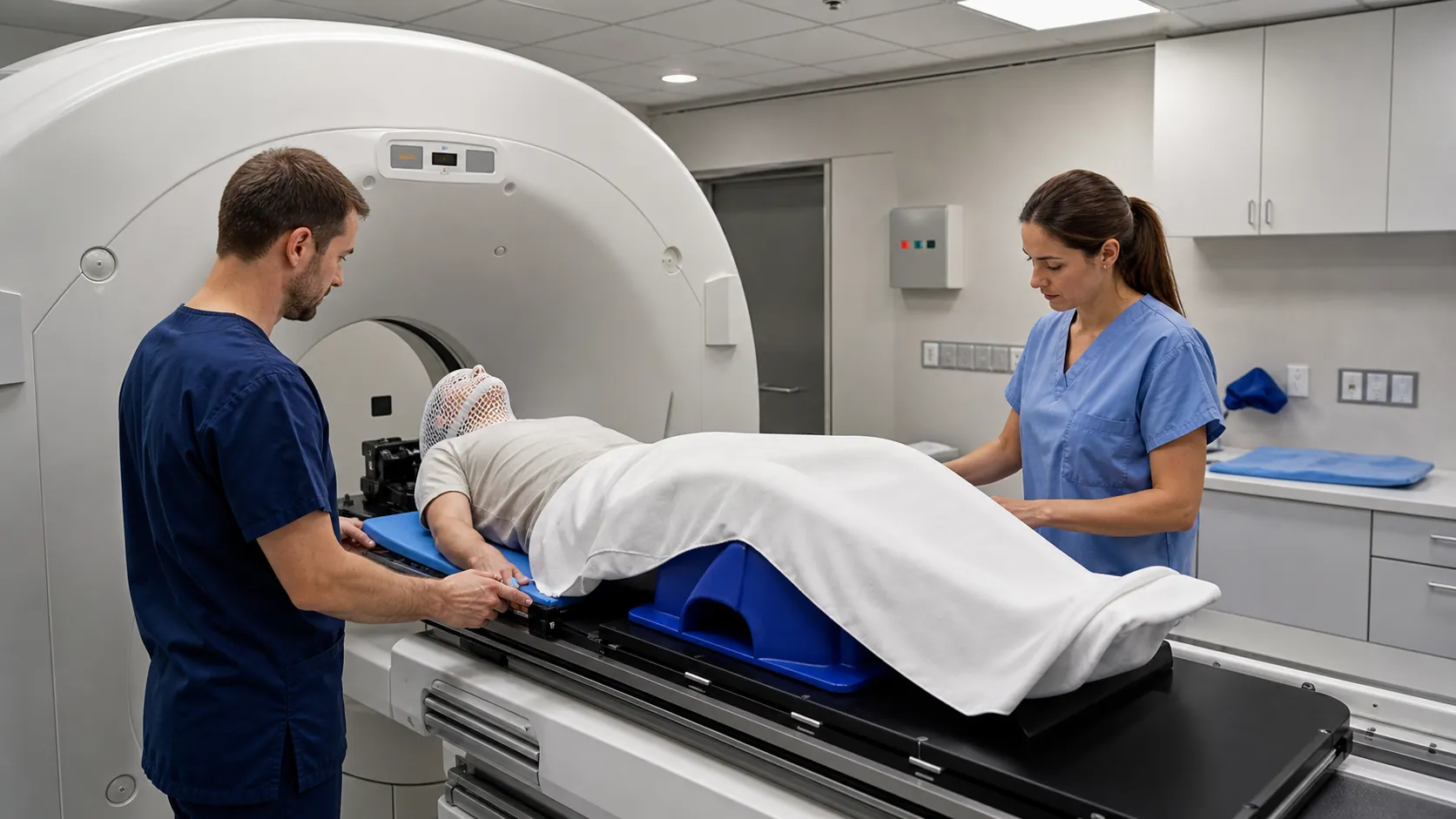
The Radiation Therapist's (RTT's) role: RTTs are the primary clinicians responsible for daily treatment delivery. They position patients with reproducibility, operate the LINAC, perform and review IGRT imaging, manage immobilization devices, monitor and document patient toxicity, and communicate with the multidisciplinary team throughout the treatment course. It is a technically demanding, patient-focused clinical role at the intersection of physics, technology, and care.
You've explored all 6 imaging modalities plus the history of radiology. Review any section, or go back to compare modalities side by side.
Back to Home