〰 Modality 2

Ultrasound Sonography

Real-time, safe, and portable — ultrasound uses high-frequency sound waves (1–20 MHz) to produce images of soft tissue structures. No ionizing radiation, no magnets, no contrast agents required for most applications.

1–20
MHz Frequency Range
1,540
m/s Speed in Soft Tissue
None
Ionizing Radiation
1958
Clinical Introduction

The Physics of Sound

Ultrasound uses mechanical sound waves above the human hearing threshold (>20,000 Hz). Diagnostic ultrasound operates at 1–20 MHz. These waves are mechanical pressure waves — they require a medium to travel through (unlike X-rays or light).

The pulse-echo principle: A short ultrasound pulse is transmitted into the body. When it hits a tissue interface (boundary between different tissue types), some energy is reflected back as an echo. The transducer detects the returning echo. The time taken for the echo to return determines the depth of the interface: depth = (speed × time) / 2.

  • Frequency & Resolution: Higher frequency = better resolution but less penetration depth. 7.5 MHz used for superficial structures; 3.5 MHz for abdominal imaging
  • Acoustic Impedance (Z): Z = density × speed of sound. Reflection occurs at interfaces where Z differs
  • Attenuation: Sound loses energy as it travels. Attenuation ≈ 0.5 dB/cm/MHz in soft tissue
  • Acoustic Shadowing: Dense structures (bone, calculi) block sound, creating dark shadows posteriorly
  • Acoustic Enhancement: Fluid-filled structures (cysts, bladder) allow easy sound transmission, creating brighter area posteriorly
Pulse-Echo Principle
TRANSDUCER Transmit + Receive Skin/Subcutis Partial echo Soft Tissue / Muscle Organ Wall Strong echo Fluid-filled structure (anechoic = black) Enhanced back wall Depth (cm) Pulse-Echo Formula: Depth = (Speed × Time) ÷ 2 [Speed ≈ 1,540 m/s]
Transducer — Cutaway View

Click any label to explore each component.
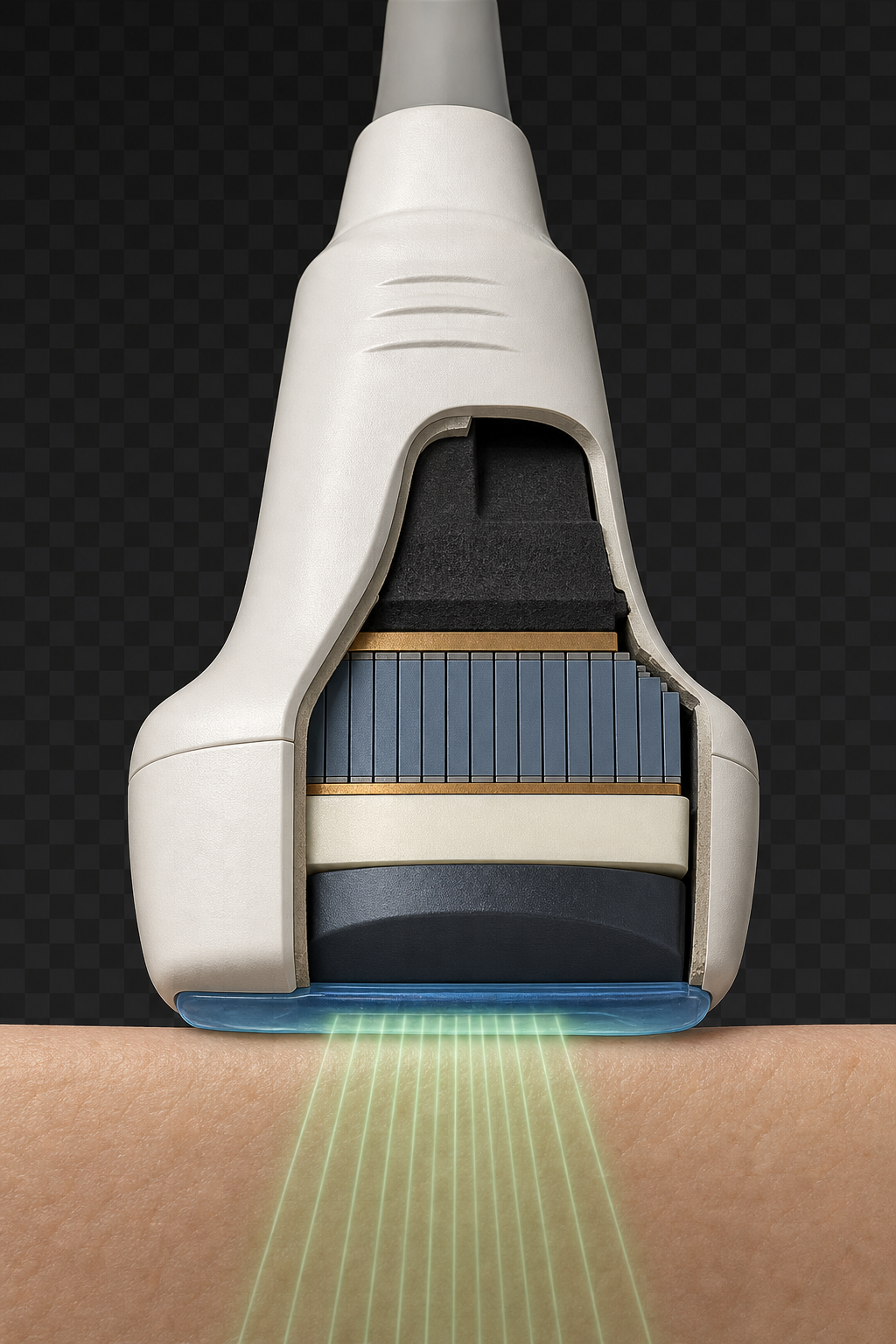
Photorealistic cutaway of an ultrasound transducer showing the backing, piezoelectric crystal array, matching layer, acoustic lens, coupling gel, patient skin, and ultrasound beam.

The Piezoelectric Effect

The heart of the ultrasound transducer is the piezoelectric crystal. This material has a remarkable dual property:

  • Direct piezoelectric effect: Mechanical pressure on the crystal → electrical voltage produced. This is how echoes are detected.
  • Converse piezoelectric effect: Electrical voltage applied to crystal → mechanical vibration. This is how sound is produced.
  • The crystal vibrates at its resonant frequency, determined by crystal thickness: f = v / 2d
  • PZT (lead zirconate titanate) is the most common crystal material in medical transducers
👆

Click on a component in the diagram to learn about each layer of the transducer.
Transducer Types

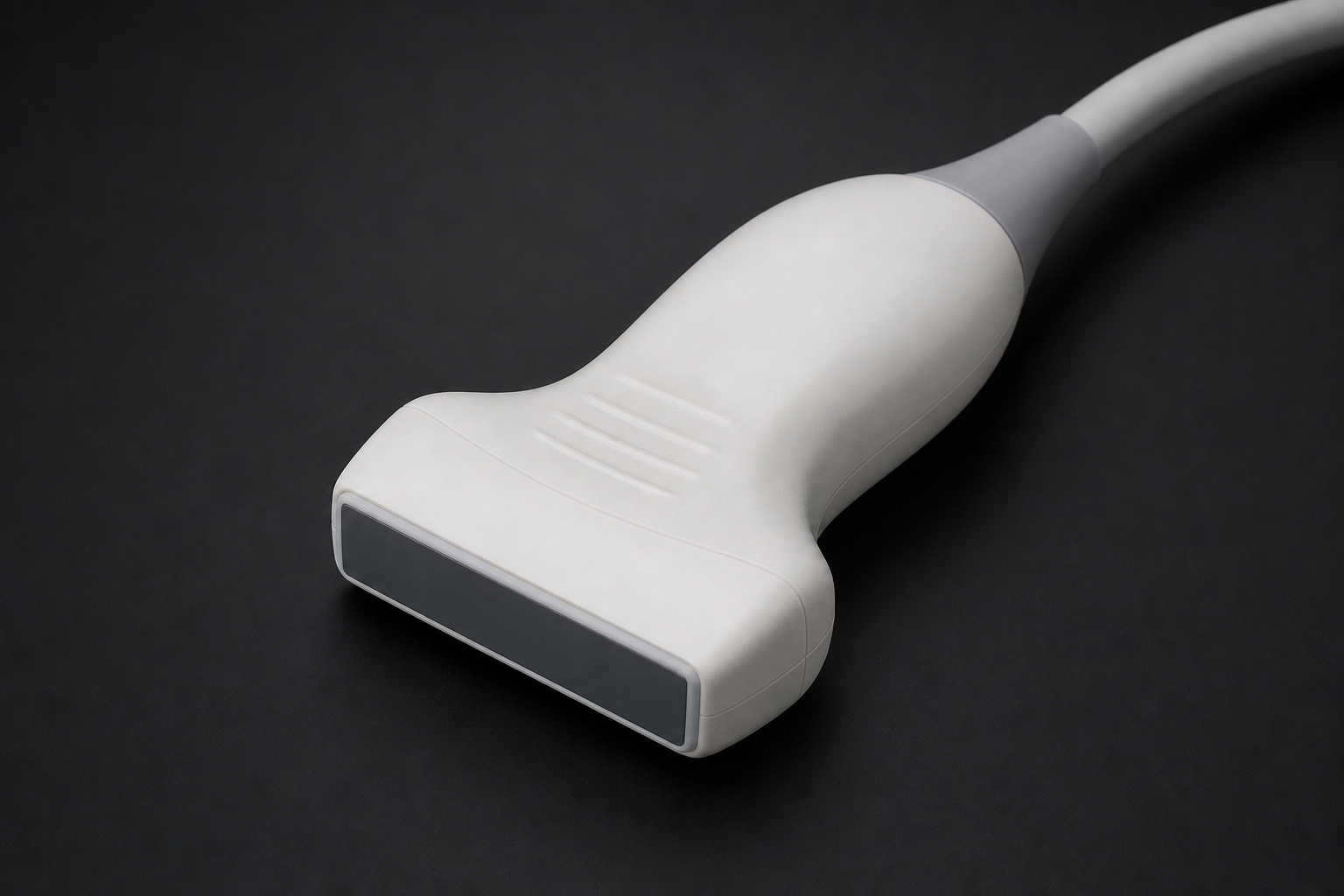
Photorealistic linear array ultrasound transducer with a flat rectangular scan head.

Linear Array

Shape
Rectangular
Frequency
5-15 MHz
Use
Vascular, MSK, thyroid, breast
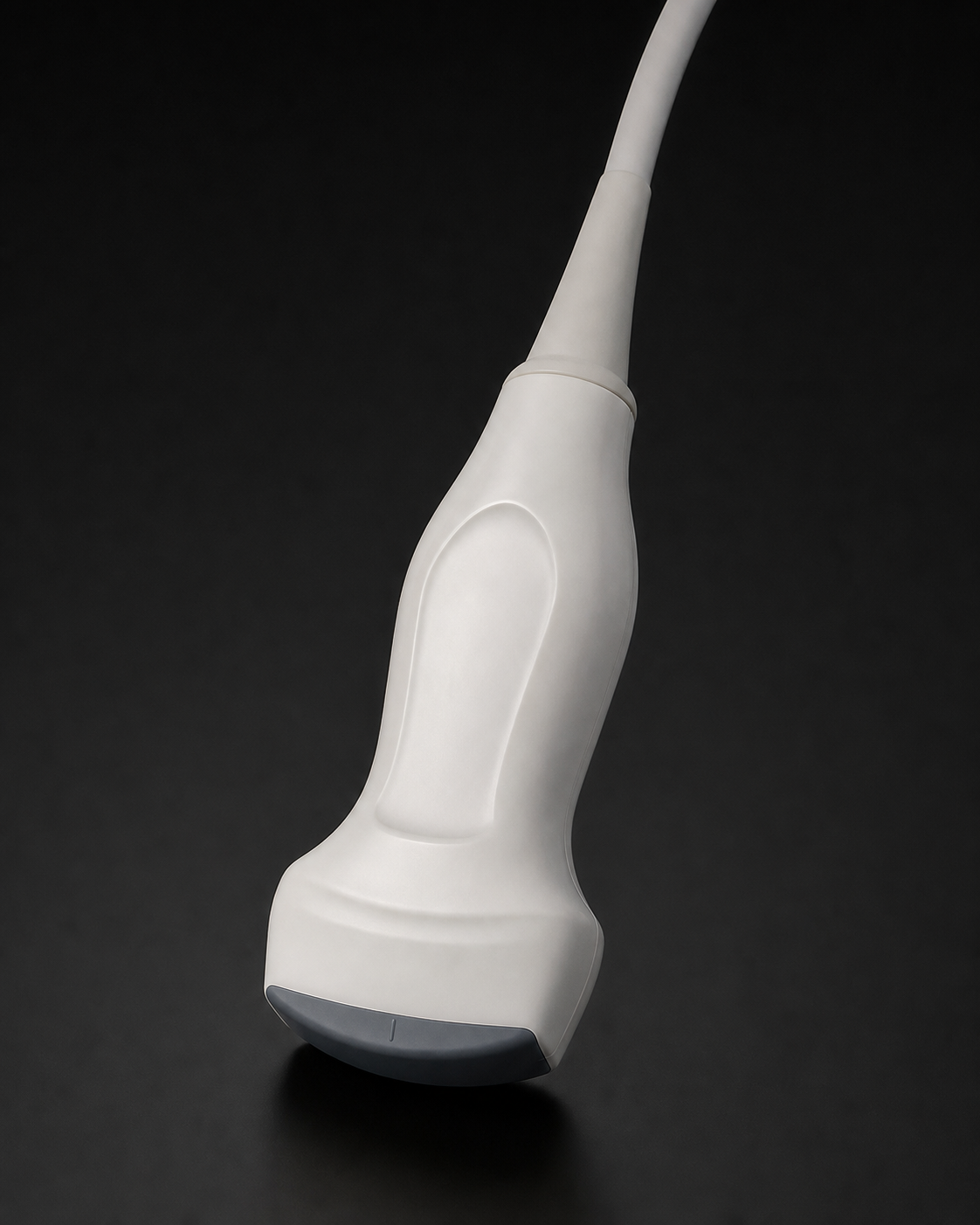
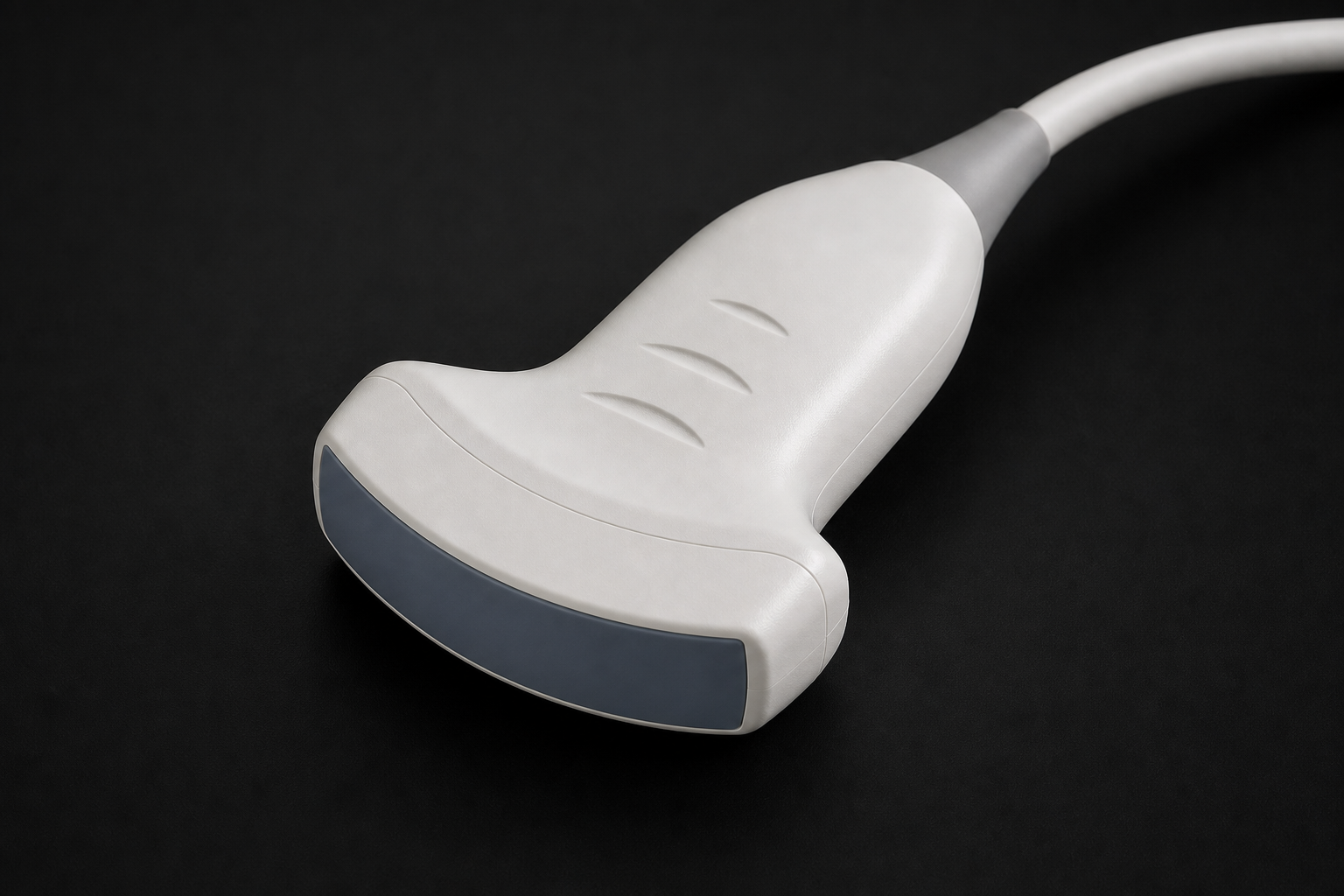
Photorealistic curvilinear ultrasound transducer with a broad curved scan head.

Curvilinear

Shape
Curved
Frequency
2-6 MHz
Use
Abdomen, OB, pelvis
Photorealistic phased array cardiac ultrasound transducer with a small footprint.

Phased Array

Shape
Small footprint
Frequency
2-7 MHz
Use
Cardiac, intercostal
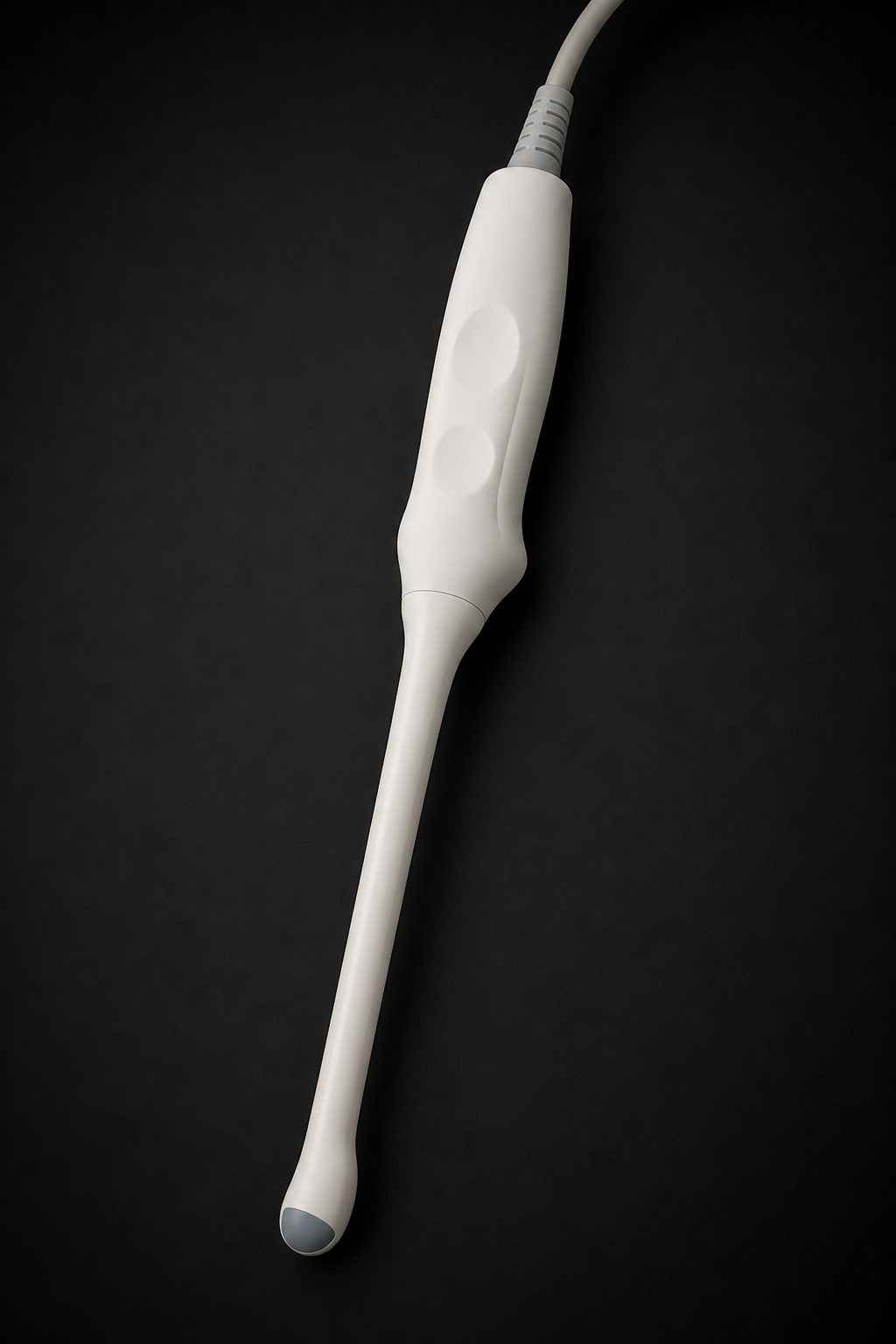
Photorealistic endocavitary ultrasound transducer with a long narrow shaft and rounded tip.

Endocavitary

Shape
Elongated
Frequency
5-10 MHz
Use
Transvaginal, transrectal

Ultrasound Imaging Modes

Click a mode to see its waveform display and learn how it works.

📈

A-Mode

Amplitude mode — earliest form. Shows echo amplitude vs. depth as a 1D trace.

🖼️

B-Mode

Brightness mode — standard 2D imaging. Echo intensity displayed as pixel brightness.

📊

M-Mode

Motion mode — time plotted against depth. Used for cardiac valve and fetal heart rate measurements.

🧊

3D/4D

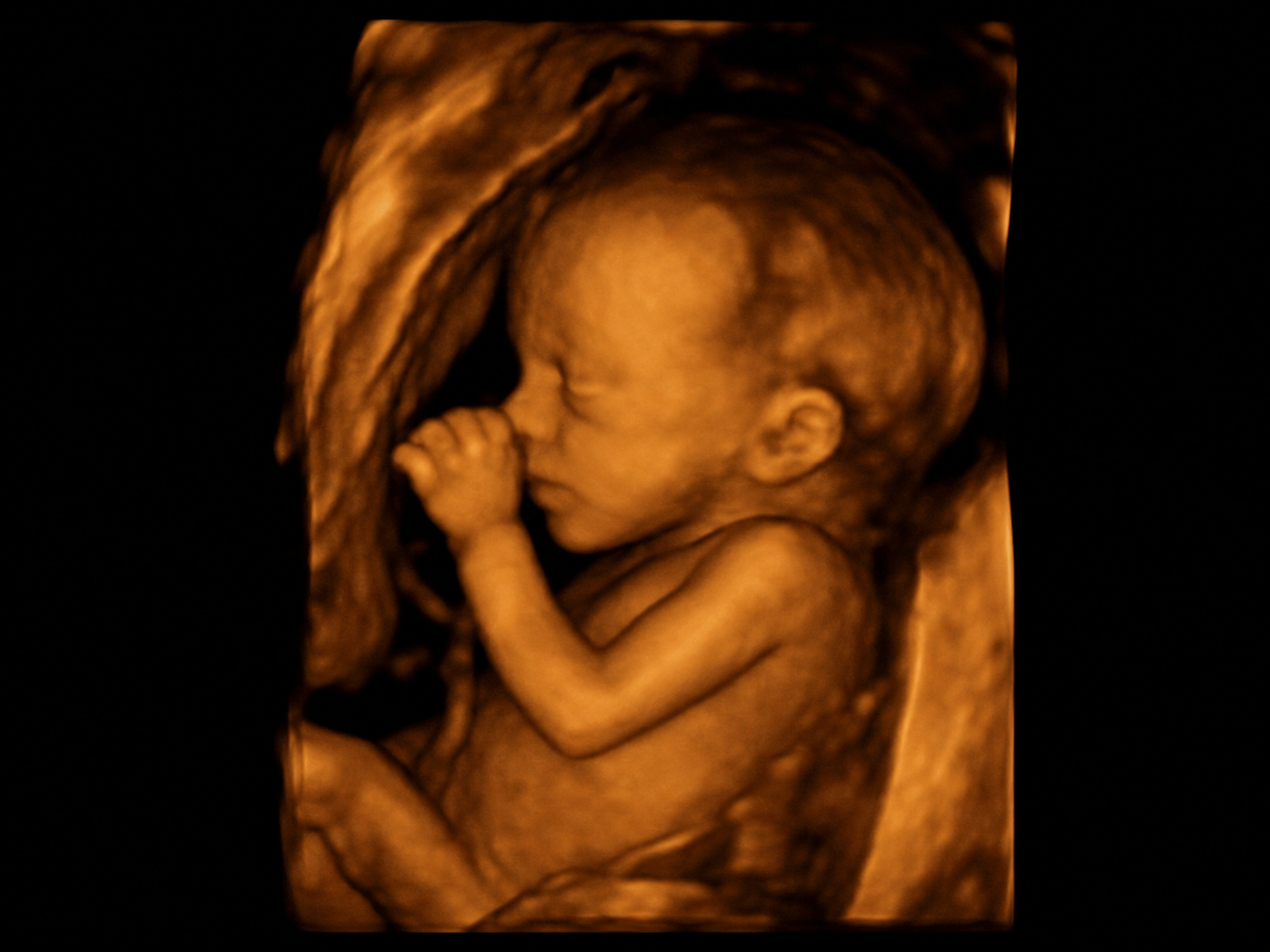
Volumetric imaging. 4D adds real-time motion — popular in obstetric imaging for fetal anatomy.
A-Mode Display
A-MODE Radiology 101 US 7.5 MHz | Depth 8 cm
3D/4D fetal ultrasound image of a baby in profile.
Gain62%
Focus4.0 cm
ProbeLinear

A-mode (Amplitude) displays echo amplitudes as vertical spikes along a horizontal baseline representing depth. It was the original form of diagnostic ultrasound used in the 1950s. Today it is mainly used in ophthalmology for precise eye measurements.

Doppler Effect in Ultrasound

When the sound-reflecting target (e.g., red blood cells) is moving relative to the transducer, the reflected frequency is shifted. This is the Doppler effect. The frequency shift is directly proportional to the velocity of the moving target.

Doppler Equation: Δf = 2 · f₀ · v · cosθ / c

  • Δf = Doppler frequency shift | f₀ = transmitted frequency | v = blood velocity | θ = angle of insonation | c = speed of sound
  • θ must be <60° — at 90° (perpendicular), cosθ = 0, no Doppler signal is detected
  • Color Doppler: Flow toward transducer = RED; flow away = BLUE (BART — Blue Away Red Toward)
  • Spectral Doppler (PW/CW): Displays flow velocity vs. time as a waveform — used for quantitative velocity measurements
  • Power Doppler: Sensitive to slow flow, does not show direction — useful in low-flow states
Spectral Doppler Waveform
Time → Toward Away 0 Peak Systolic Velocity End Diastolic +1.0 m/s 0 -0.5 m/s

Clinical Applications

Ultrasound is the safest major imaging modality — preferred in pregnancy, pediatrics, and any situation where ionizing radiation should be avoided.

Obstetric ultrasound image of a fetus

🤰 Obstetrics & Gynecology

Fetal dating, anatomy survey, growth assessment, amniotic fluid index, placenta location, Doppler of umbilical and uterine arteries. Standard of care in pregnancy.

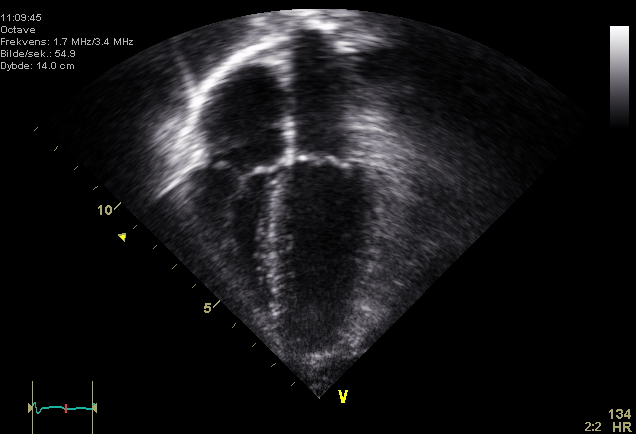
Four-chamber echocardiogram ultrasound image of the heart

❤️ Cardiac (ECHO)

Transthoracic and transesophageal echocardiography. Evaluates valve function, chamber size, wall motion, ejection fraction, and pericardial effusion.

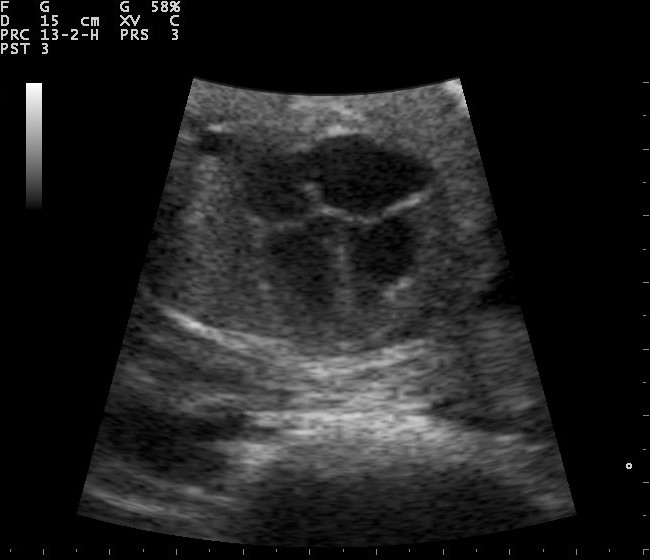
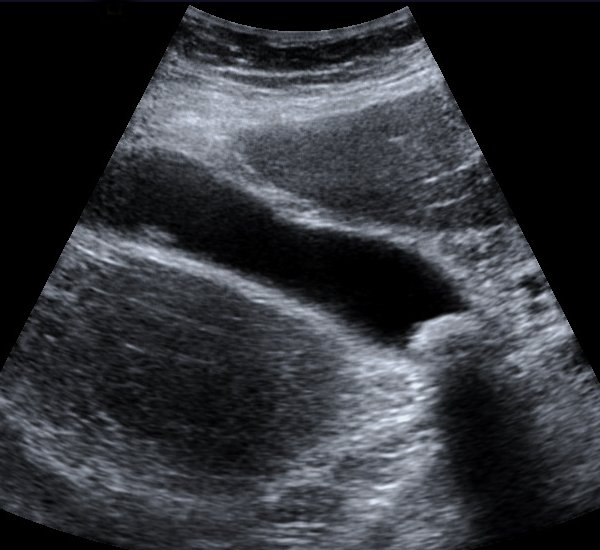
Abdominal ultrasound image showing gallstone evaluation

🔵 Abdominal Imaging

Liver, gallbladder (calculi, cholecystitis), kidneys (hydronephrosis, calculi), spleen, pancreas, and AAA screening.

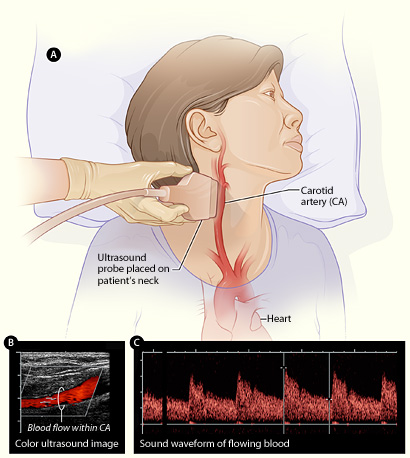
Carotid Doppler ultrasound image with color flow and waveform

🩸 Vascular Studies

Carotid Doppler for stenosis, DVT assessment, peripheral arterial disease, venous insufficiency, and portal hypertension.

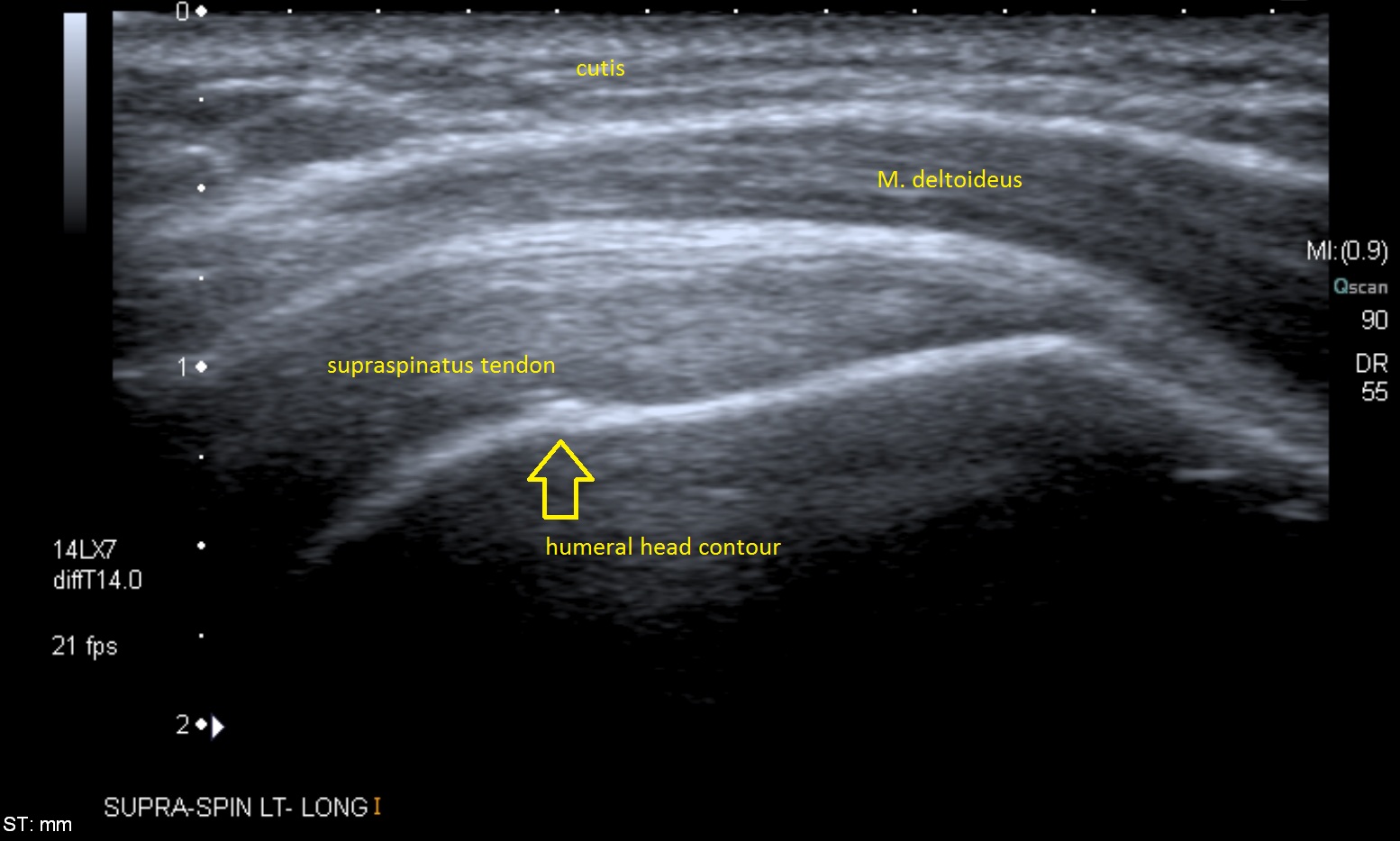
Musculoskeletal ultrasound image of the supraspinatus tendon

🦴 Musculoskeletal

Rotator cuff tears, tendon pathology, joint effusions, guided aspiration/injection, soft tissue masses and hernias.

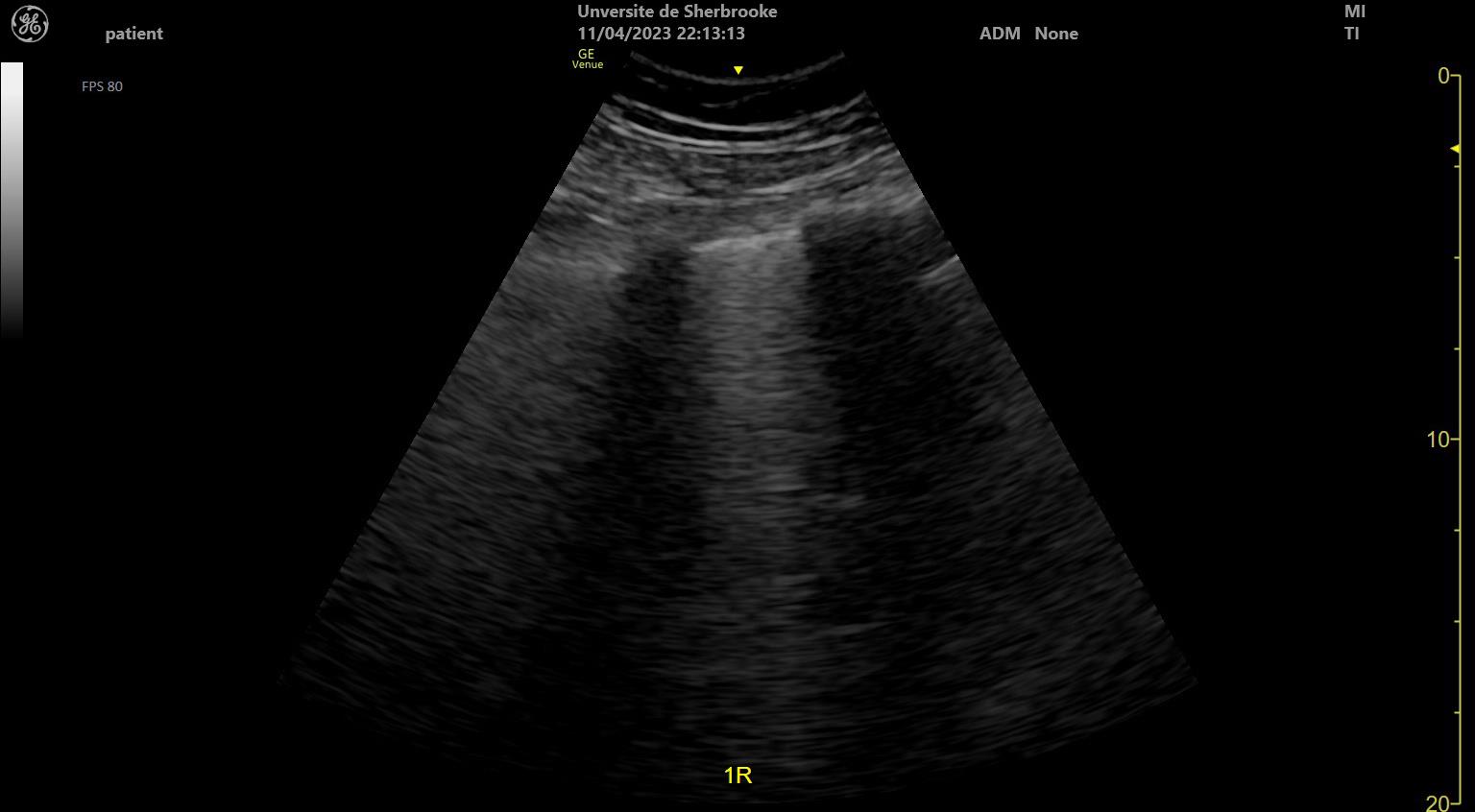
Point-of-care lung ultrasound image showing B-lines

🏥 Point-of-Care (POCUS)

FAST exam in trauma, lung ultrasound, vascular access guidance, and bedside cardiac assessment in emergency and critical care settings.

Safety profile: No known harmful biological effects at diagnostic intensities. Preferred modality during pregnancy and for children. ALARA still applies — minimize unnecessary scanning time and power output.

Image sources: Wikimedia Commons examples for obstetric ultrasound, echocardiography, abdominal ultrasound, vascular ultrasound, musculoskeletal ultrasound, and lung POCUS.

Enter the Magnetic World

MRI — the most powerful soft-tissue imaging modality, using magnetic fields and radio waves.

Explore MRI →